Reliable Business Connectivity Through Professional Structured Cabling Contractors

Home » Structured Wiring
Reliable Business Connectivity Through Professional Structured Cabling Contractors
Build the infrastructure behind dependable connectivity. Network Drops designs, installs, tests, and supports structured cabling systems that keep your network, voice, and connected devices reliably connected and ready to support your business.
From initial site assessment and cabling design to installation, testing, and documentation, our team develops infrastructure around your facility's layout, equipment, and connectivity requirements. Whether you are setting up a new facility, upgrading an existing network, or expanding your infrastructure, we deliver professional installation designed to support your current operations and future needs.
Commercial Structured Cabling Design & Installation
Professional Data, Voice & Ethernet Cabling
Cat5e, Cat6 & Cat6A Network Cabling
Cabling Testing, Organization & Documentation
Structured Cabling Contractors for Reliable Business Networks
Structured cabling provides the physical infrastructure that connects network equipment, workstations, wireless access points, phones, and other connected systems throughout a facility.
Our structured cabling contractors provide consultation, planning, installation, testing, and documentation for commercial structured cabling projects. We assess your facility and existing infrastructure, determine your connectivity requirements, and develop a cabling approach around the systems your business needs to support.
Network Drops has supported commercial network infrastructure since 1986. Our certified technicians handle installation and testing with attention to routing, termination, equipment connections, and overall system organization.
We support new installations, network upgrades, and moves, adds, and changes. Once the work is complete, we test the installed connections and provide documentation for the completed infrastructure.
Our structured cabling contractors deliver reliable network connectivity, organized infrastructure, and installation tailored to your business.
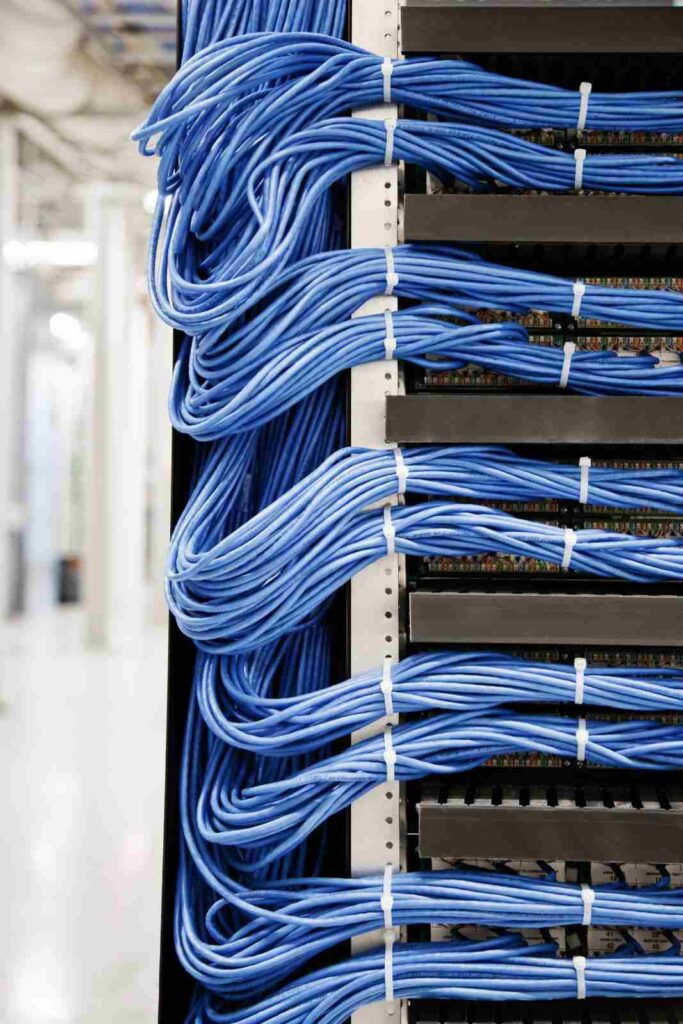
From the cable running through your walls to the infrastructure connecting your devices, Network Drops provides the commercial structured cabling solutions needed to build and maintain a dependable network environment.
Plan and install an organized cabling infrastructure around your facility, connectivity requirements, equipment, and future expansion needs.
Create reliable physical connections between network equipment, workstations, servers, access points, and other business devices.
Choose the appropriate copper cabling for your network requirements, with professional installation designed for reliable performance and easier future changes.
Support both business voice and data communications through an organized cabling infrastructure designed to accommodate your facility's connectivity needs.
Provide wired network connections for computers, phones, wireless access points, and other Ethernet-enabled devices throughout your facility.
Build the physical network infrastructure needed to support Voice over IP systems and keep business communications connected.
Provide the cabling infrastructure behind commercial audio and video systems, including conference-room and business communication environments.
Connect cabling, racks, equipment, wireless access points, and other components into an organized infrastructure that can be tested, documented, and supported.
Structured cabling has to work within the demands of the environment it supports. Network Drops designs and installs commercial network infrastructure for facilities where reliable connectivity, organized cabling, and dependable performance matter.
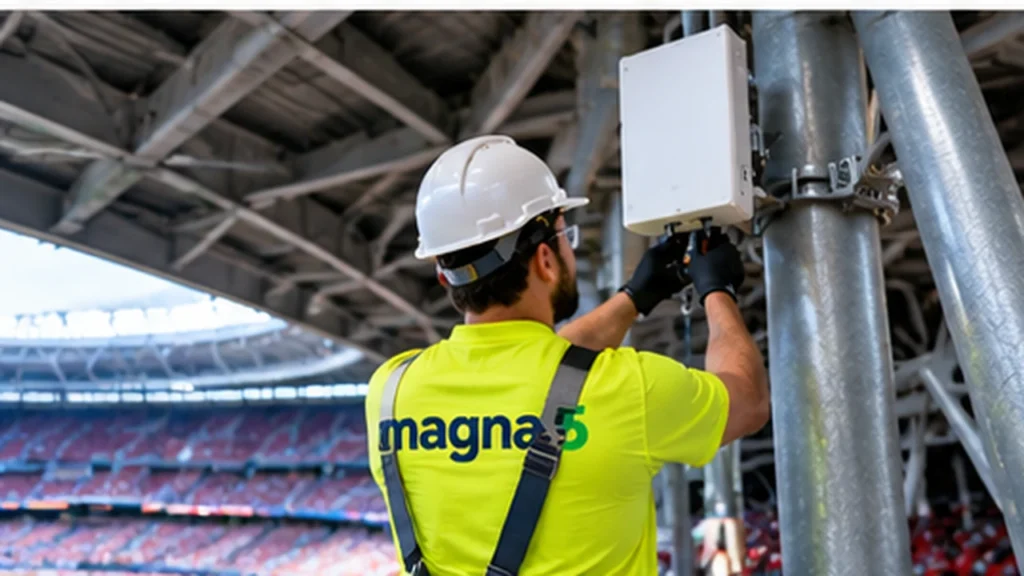
Telecommunications environments depend on organized, high-performance infrastructure to support continuous data and communications. Our structured cabling solutions provide the physical foundation for reliable connectivity across demanding facilities.
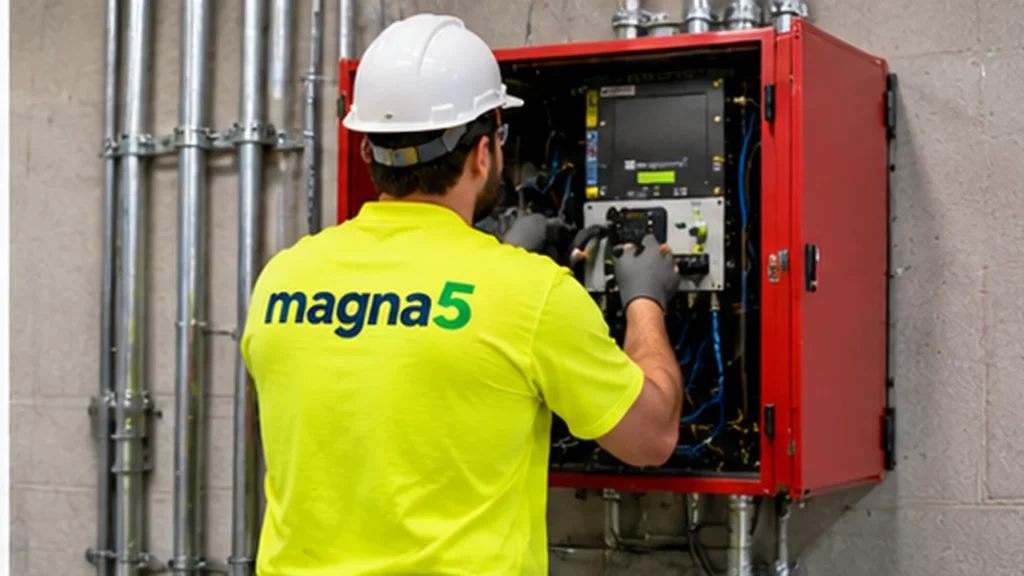
Healthcare facilities rely on network infrastructure for connected systems, communications, data, and wireless access. Structured cabling helps create an organized infrastructure that can support the connectivity requirements of clinical and administrative spaces.

Schools, colleges, and universities need connectivity across classrooms, offices, common areas, and campus facilities. Structured cabling provides the foundation for wired networks, wireless access points, communications, and other connected technologies.

IT-intensive businesses require infrastructure that can keep pace with network equipment, connected devices, data demands, and changing technology. A well-planned structured cabling system provides an organized foundation that is easier to manage and expand.

Commercial properties need network infrastructure that can accommodate tenants, employees, communications systems, wireless connectivity, and future changes. Structured cabling provides an organized foundation that can adapt as the facility evolves.
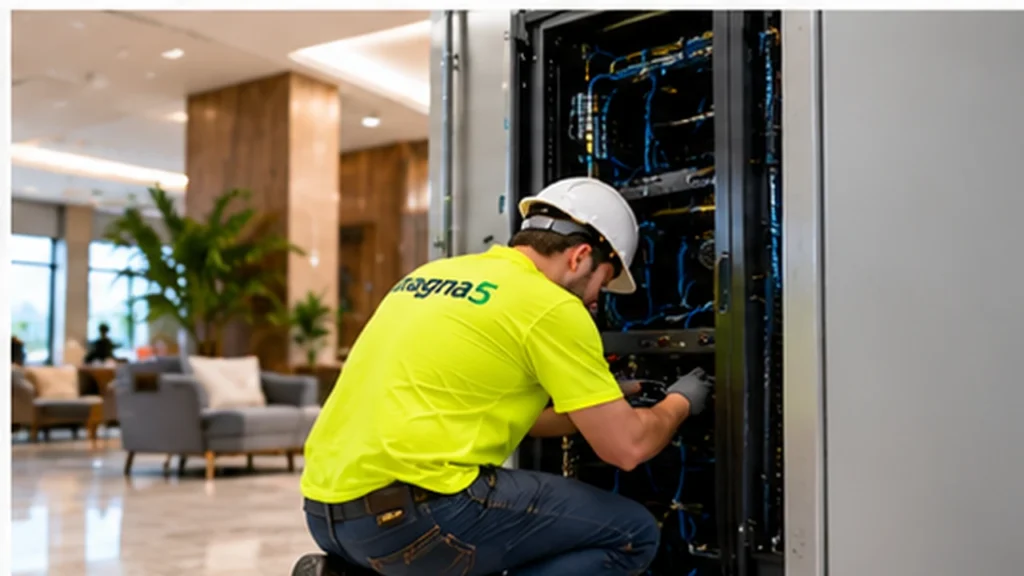
Hotels and hospitality facilities depend on reliable connectivity across guest areas, offices, communications systems, and operational spaces. Properly planned cabling helps support the connected technologies businesses use to keep their facilities running.
A structured cabling system needs to work with the network and systems it supports. Network Drops brings commercial network experience, technical knowledge, and installation capabilities to each project.
Our experience extends beyond cable installation. We understand the network equipment and systems that depend on the physical infrastructure, including Ethernet, servers, switches, wireless controllers, and VoIP.
Our certified technicians handle cable installation, termination, organization, and testing with attention to the requirements of the project and facility.
We assess the existing environment and plan cable routes, connection points, equipment locations, and other infrastructure around your facility and connectivity requirements.
We test completed connections and provide documentation of the installed infrastructure to support future maintenance, troubleshooting, and changes.


A well-built network starts with the right plan. Our structured cabling contractors take your project from site assessment through installation and testing with a clear, organized approach.
We review your facility, existing infrastructure, connectivity requirements, and the systems your cabling needs to support.
We determine the appropriate cabling, pathways, connectivity points, and infrastructure based on your current needs and planned expansion.
Our team installs and organizes the cabling with attention to routing, termination, racks, patch panels, and the needs of your operating environment.
We test the completed connections, organize the infrastructure, and provide documentation to help your team understand and manage what was installed.
Not every cabling project is the same. A professional structured cabling contractor can help when your business is building a new space, expanding its network, dealing with unreliable connections, or trying to make an existing infrastructure easier to manage.
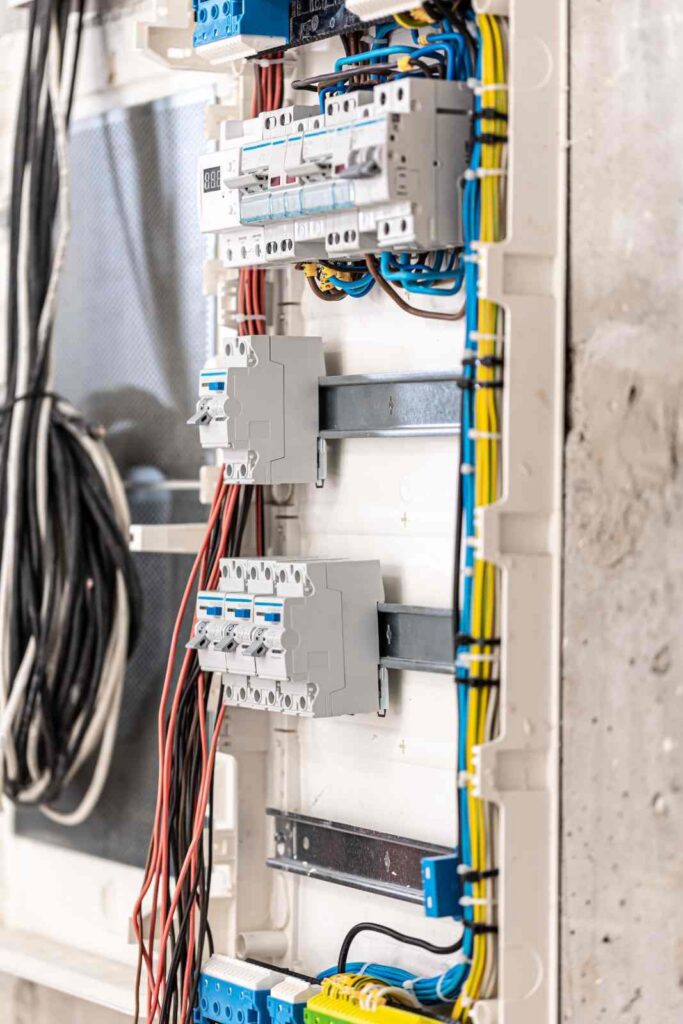
New construction or a major office buildout is an opportunity to plan cable pathways, network connections, equipment locations, and other infrastructure before the space is occupied.
Adding employees, workstations, wireless access points, phones, or connected devices can increase your cabling requirements. A structured approach helps accommodate those additions without creating unnecessary cable congestion.
Unlabeled cables, crowded racks, unclear connections, and outdated documentation can make troubleshooting and network changes more difficult. A structured cabling contractor can help organize the physical infrastructure.
New switches, access points, VoIP systems, or other network technologies may require changes to your existing cabling. A certified technician can assess the current infrastructure and determine what needs to be upgraded or added.
Office moves, renovations, and facility changes often require cabling to be relocated, extended, or reorganized. Professional planning can help minimize disruption and keep the infrastructure organized.
Provide surveillance across storage spaces, inventory areas, and other locations where visibility can support property protection.
Outdoor cameras can help monitor the exterior boundaries of your property and provide visibility around vulnerable access points.
Not every cabling project is the same. A professional structured cabling contractor can help when your business is building a new space, expanding its network, dealing with unreliable connections, or trying to make an existing infrastructure easier to manage.
New construction or a major office buildout is an opportunity to plan cable pathways, network connections, equipment locations, and other infrastructure before the space is occupied.
Adding employees, workstations, wireless access points, phones, or connected devices can increase your cabling requirements. A structured approach helps accommodate those additions without creating unnecessary cable congestion.
Unlabeled cables, crowded racks, unclear connections, and outdated documentation can make troubleshooting and network changes more difficult. A structured cabling contractor can help organize the physical infrastructure.
New switches, access points, VoIP systems, or other network technologies may require changes to your existing cabling. A certified technician can assess the current infrastructure and determine what needs to be upgraded or added.
Office moves, renovations, and facility changes often require cabling to be relocated, extended, or reorganized. Professional planning can help minimize disruption and keep the infrastructure organized.
Dropped connections, inconsistent network performance, and recurring cabling problems can affect daily business operations. A professional structured cabling contractor can inspect existing connections, identify infrastructure issues, and recommend the necessary cabling improvements.
Commercial structured cabling services for businesses across New Jersey and Pennsylvania.
Providing commercial structured cabling services for businesses throughout New Jersey.
We support businesses across Pennsylvania with structured cabling services.
Whether you are setting up a new facility, upgrading an existing network, or adding connections for a growing business, Network Drops can help you plan the infrastructure around your requirements.
Get clear answers about your structured cabling, network infrastructure, or installation requirements. Our team can discuss your facility, understand your needs, and help determine the right approach for your project.
The right cabling depends on your network requirements, equipment, building layout, existing infrastructure, and plans for expansion. A site assessment can help determine the appropriate cabling and installation approach for your facility.
Not every network needs a complete replacement. If your existing cabling is in good condition and can support your current requirements, an upgrade or targeted addition may be sufficient. A certified technician can assess the existing infrastructure and help determine what needs to be changed.
The timeline depends on the size and layout of the facility, number of connections, cable pathways, existing infrastructure, installation conditions, and project requirements. A site assessment provides a more accurate project timeline.
Testing is an important part of the installation process. After installation, certified technicians can test the completed connections, identify issues, and provide documentation for the installed infrastructure.
A properly planned structured cabling system can make future additions easier. Organized pathways, accessible infrastructure, clear labeling, and documentation help your team add connections without unnecessarily disrupting the existing network.
Professional installation can help ensure that cabling is properly routed, terminated, tested, and documented. A certified technician can also assess your existing infrastructure and identify issues that may affect a network upgrade.
The cost of structured cabling depends on factors such as the size of your facility, number of cable runs, type of cabling, installation conditions, existing infrastructure, cable pathways, and testing and documentation requirements. A site assessment allows our team to understand your requirements and provide a project-specific estimate.
Several factors can affect the total project cost, including the number of connections, cable type, distance of cable runs, accessibility of installation areas, existing pathways, required network equipment, and whether the project involves a new installation, upgrade, or repair.