Professional Access Control System Installation Since 1986

Home » Access Control System Installation
Professional Access Control System Installation Since 1986
Control who can enter your facility with access control systems designed around your building, entry points, users, and security requirements. Network Drops plans and installs access control infrastructure that helps businesses manage entry, restrict access to sensitive areas, and maintain greater visibility across their facilities.
Customized Access Control Installation
Commercial-Grade Entry Security
Strategic Reader & Lock Placement
Professional Installation
Professional Access Control System Installation for Your Business
Network Drops helps businesses control access to offices, restricted areas, and other secured spaces with access control systems planned around their operational and security requirements. We review your entry points, door hardware, user access needs, existing infrastructure, and how people move through your facility before determining the right installation approach.
Our team supports access control planning, installation, wiring, device placement, configuration, and testing for new and existing facilities. Whether you need to secure a few doors or establish controlled access across multiple areas, we can help build an access control setup that is practical to use and maintain.
As your facility changes, access requirements can change with it. A properly planned system can make it easier to manage users, update permissions, add secured areas, and maintain control over who can enter specific spaces.
Our access control installation are designed to provide reliable entry management, flexible permissions, and security tailored to your facility.
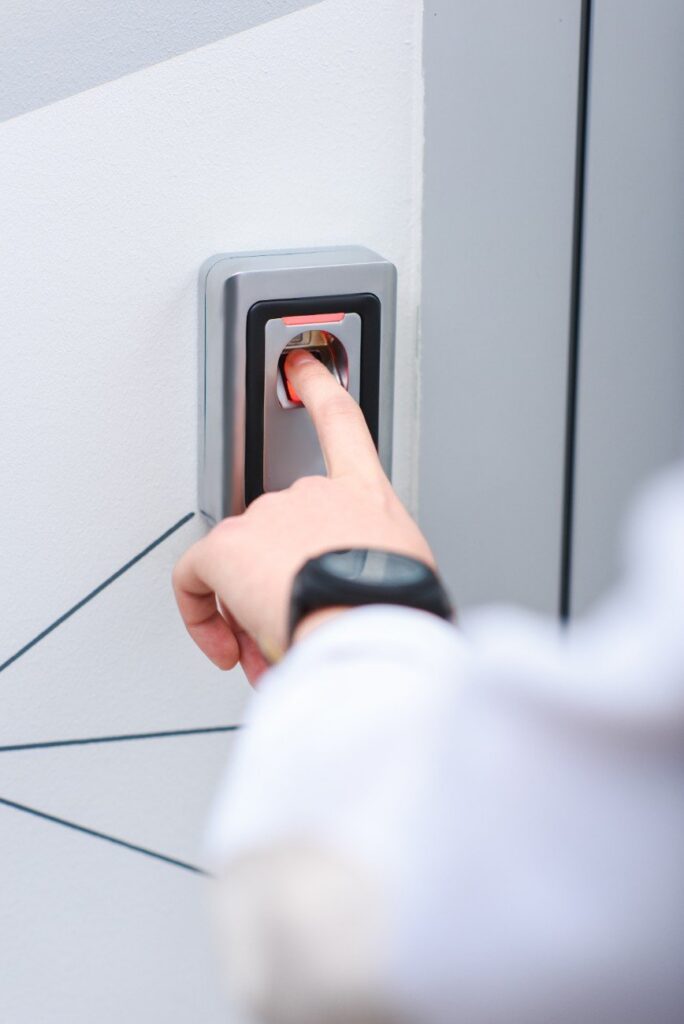
From individual door access to systems that support multiple locations, Network Drops provides the installation needed to establish controlled entry throughout commercial facilities.
Connect access control devices to your network infrastructure so authorized users can be managed through a centralized system and access activity can be monitored across connected locations.
Install card and RFID fob access systems that allow businesses to provide authorized users with individual credentials instead of relying on traditional keys.
Install electronic locking hardware that works with access control systems to restrict or permit entry based on the credentials and access rules assigned to users.
Install card readers and other credential-based readers at designated entry points to verify users before granting access to secured areas.
Support access systems that use compatible mobile devices and Bluetooth credentials, giving authorized users another way to access controlled areas.
Support more advanced access requirements with biometric technologies such as fingerprint or facial recognition where the facility and system requirements call for additional verification.
Help businesses manage access across multiple offices, facilities, or other locations through connected access control infrastructure and centralized management.
Coordinate access control infrastructure with existing network and security systems so the components work together as part of the facility's overall technology environment.
Different facilities have different access requirements. Network Drops installs access control systems for commercial environments where businesses need to regulate entry, restrict sensitive areas, and manage access across their facilities.
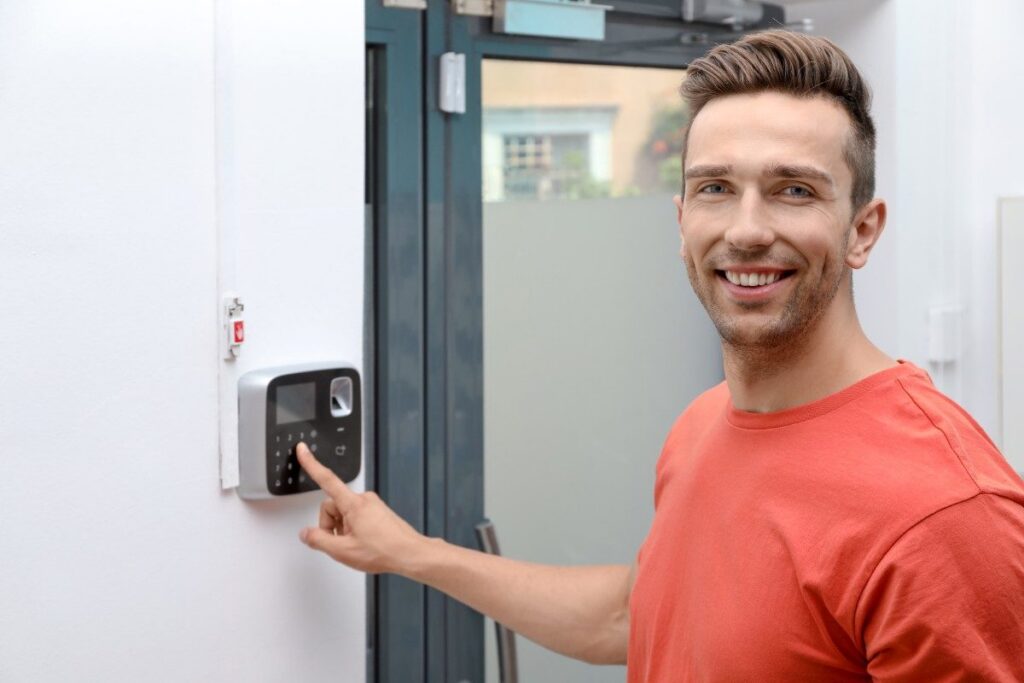
Businesses use access control to manage employee and visitor entry, restrict access to offices or other secured areas, and maintain greater control over who can enter the workplace.
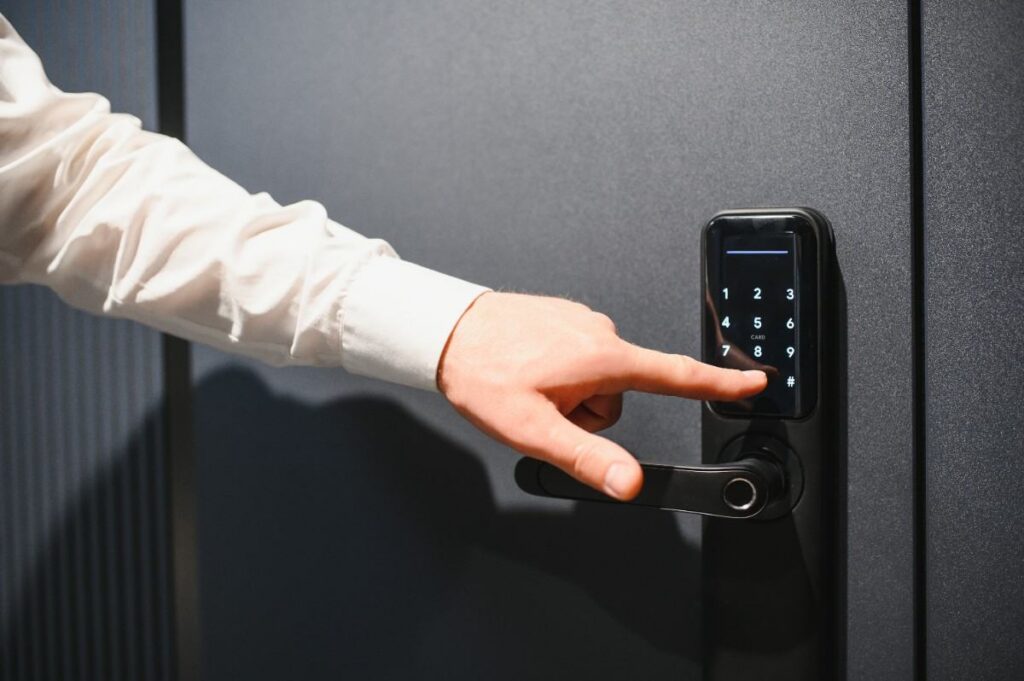
Hospitals, clinics, and healthcare centers need controlled access to areas such as laboratories, pharmacies, patient records, and other restricted spaces. Access control helps limit entry to authorized personnel.
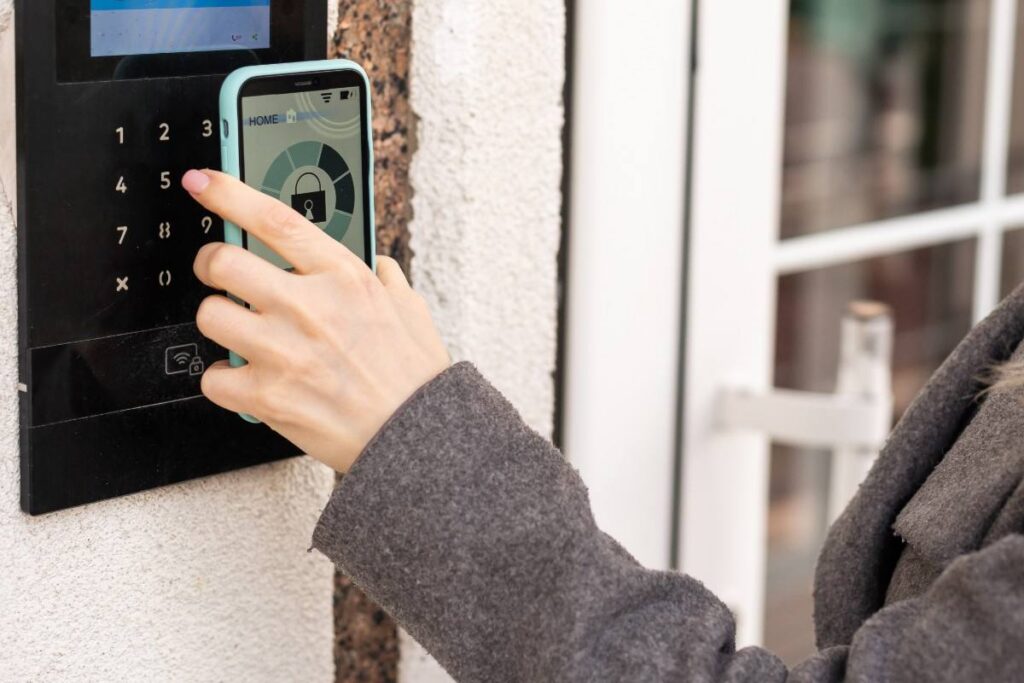
Schools, colleges, and universities can use access control to manage entry to classrooms, laboratories, administrative offices, dormitories, and other areas across campus.
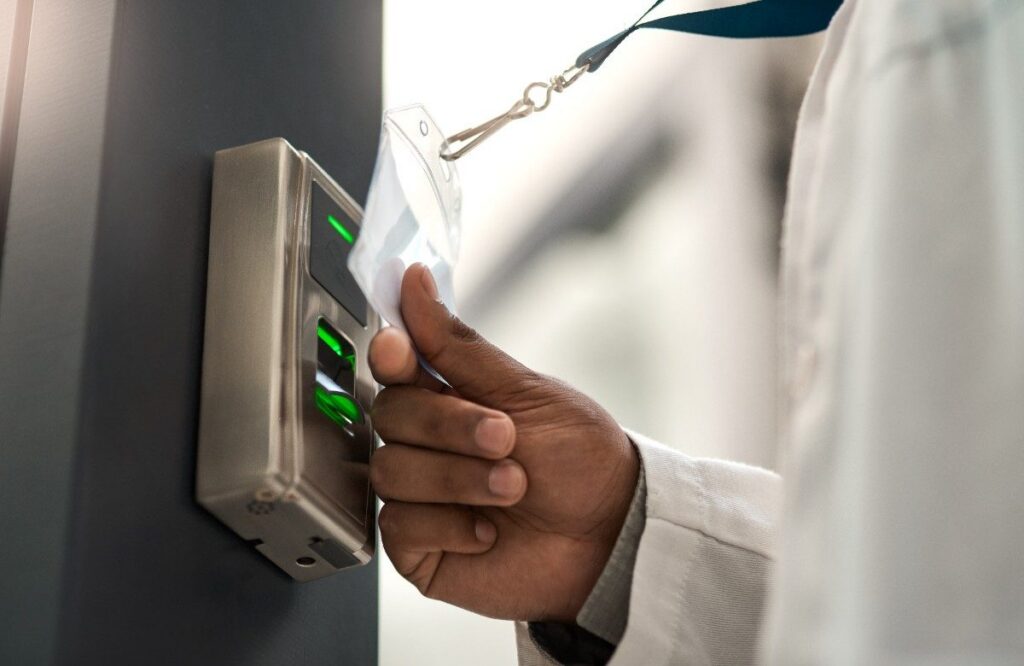
Banks, credit unions, and financial firms require controlled access to areas containing sensitive information and valuable assets. Access control can help secure vaults, data centers, offices, and restricted areas.
Government offices, municipal facilities, and courthouses may require controlled entry to restricted areas and spaces containing sensitive information. Access control provides a way to manage authorized access throughout the facility.
Retail businesses can use access control to restrict entry to stockrooms, warehouses, inventory areas, managerial offices, and other spaces that require limited access.
Manufacturing and industrial facilities often have production areas, warehouses, equipment, and operational spaces that require controlled access. Access control helps businesses manage entry while supporting facility security.
Hotels, resorts, and hospitality facilities need to manage access across guest areas, staff-only spaces, administrative offices, and other secured locations. Access control helps provide appropriate entry for guests and authorized personnel.
Airports, train stations, and transportation facilities have areas that require access to be limited to authorized staff and personnel. Access control can help regulate entry to restricted spaces and critical infrastructure.
An access control system installation relies on multiple components working together to manage entry and secure designated areas. Network Drops helps businesses select, install, connect, and configure the components required for their access control environment.
Access control panels connect the system's readers, locks, and other devices and process access requests based on the permissions configured for authorized users.
Readers are installed at controlled entry points to identify credentials such as access cards, key fobs, mobile devices, or other supported authentication methods.
Electronic locks secure controlled doors and work with the access control system to allow or restrict entry based on an authorized access request.
Cards, key fobs, mobile credentials, PINs, and biometric credentials provide different ways for authorized users to access secured areas. The appropriate option depends on the facility and access requirements.


A controlled entry system starts with understanding where access needs to be managed and how the system needs to operate. Our team takes your project from assessment through installation and testing with a clear approach.
We review your entry points, doors, existing infrastructure, secured areas, user requirements, and other conditions that can affect the access control system installation.
We identify which areas require controlled entry, the types of credentials needed, the users who require access, and how the system should be managed.
Our team installs the necessary readers, electronic locks, controllers, wiring, and related components while coordinating the work with the facility and existing infrastructure.
We test the installed components and connections, verify access functions, and help ensure the system is operating as intended before the installation is complete.
A professionally installed access control system can give businesses greater control over facility entry while making access easier to manage as requirements change.
Assign access based on users, roles, locations, or secured areas rather than giving every person the same level of entry.
Electronic credentials such as cards, fobs, PINs, mobile devices, or biometrics can simplify access management and reduce the need to distribute and track physical keys.
Connected access control systems can help businesses manage entry requirements across multiple offices or facilities without treating every location as a completely separate system.
Access control systems can provide records of entry activity, helping businesses maintain greater visibility into who is accessing controlled areas and when.
Access control depends on more than the door hardware itself. The system needs to work with the facility, network infrastructure, users, and security requirements it is intended to support.
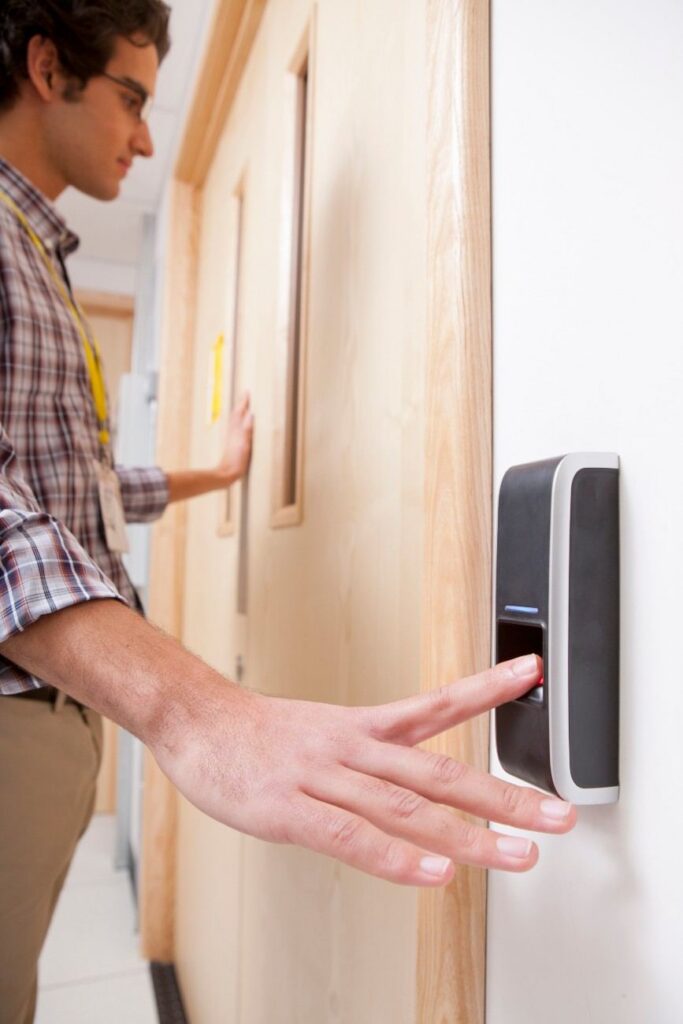
Our team understands the infrastructure behind commercial access control systems, including electronic locks, readers, controllers, credentials, and related network connections.
Access control systems increasingly depend on network connectivity. Our experience with network infrastructure allows us to consider the cabling, connectivity, and equipment required to support the system.
Our certified technicians handle the installation of access control components with attention to device placement, connections, door hardware, and the requirements of the facility.
We consider how access will be assigned, changed, and monitored after installation so the system can remain practical as users, entry requirements, and facilities change.
Professional access control system installation for commercial businesses across New Jersey and Pennsylvania.
Access control system installation for businesses throughout New Jersey.
Commercial access control installation for businesses throughout Pennsylvania.
Whether you are securing a new facility, adding controlled entry to an existing building, or replacing an outdated access system, Network Drops can help you plan the infrastructure around your requirements.
Get clear answers about your access control requirements, entry points, system options, or installation needs. Our team can review your facility and help determine an appropriate approach for your project.
Access control installation typically involves assessing entry points, selecting compatible readers and locking hardware, installing controllers and wiring, configuring credentials and access permissions, and testing the completed system. Professional installation helps ensure the components work together and are properly connected.
The cost depends on factors such as the number of doors, type of locks and readers, cabling requirements, access credentials, existing infrastructure, system configuration, and the size of the facility. A site assessment can help determine the requirements and provide a project-specific estimate.
A professional access control contractor can assess your facility, identify the areas that require controlled access, and recommend an installation approach based on your doors, infrastructure, and security requirements.
Installation time varies based on the number of doors, type of access control hardware, wiring requirements, existing infrastructure, facility layout, and system configuration. A site assessment can provide a more accurate project timeline.
Consider the number of entry points, type of doors, number of users, areas requiring restricted access, credential options, existing security infrastructure, and whether you need centralized or multi-location management. A professional assessment can help determine which system fits those requirements.
Requirements can include compatible doors and locking hardware, access readers, controllers, credentials, power, wiring, network connectivity, and access control management software. The specific requirements depend on the system selected and the facility where it will be installed.
Yes. Access control systems can be designed to support multiple offices, facilities, or other locations. Depending on the system, businesses can manage users and access permissions through connected or centralized infrastructure.
Start by assessing the existing readers, locks, controllers, wiring, network infrastructure, and management system. Depending on their condition and compatibility, some components may be retained while outdated equipment is replaced or additional hardware is installed.
The appropriate system depends on your facility, number of doors, users, security requirements, and how access needs to be managed. Options can include card and key fob systems, mobile credentials, biometric access, and networked access control.