Commercial Fire Alarm Systems Installed by Network Drops

Home » Commercial Fire Alarm Installation
Commercial Fire Alarm Systems Installed by Network Drops
Protect your business, employees, customers, and property with a commercial fire alarm system designed around your facility and fire protection requirements. Network Drops provides fire alarm installation, testing, monitoring, and maintenance to help businesses maintain reliable detection and response systems.
Customized Commercial Fire Alarm Installation
Advanced Fire Detection & Notification
Strategic Smoke & Heat Detector Placement
Professional Testing & System Maintenance
Commercial Fire Alarm Systems Installed by Network Drops for Your Business
Network Drops helps businesses establish commercial fire alarm systems that support reliable fire detection, notification, and response throughout their facilities. We consider your building layout, occupancy, existing systems, and fire protection needs to determine the appropriate installation approach.
Our team handles the installation of fire alarm panels, initiating devices, notification appliances, monitoring connections, and related components. We also support testing and system maintenance to help keep your fire alarm infrastructure operating as intended.
Since 1986, Network Drops has provided infrastructure and low-voltage services for commercial facilities. Whether you are installing a new fire alarm system or upgrading an existing one, we can coordinate the work around your facility and operational requirements.
Our commercial fire alarm installation are designed to provide reliable fire detection, timely alerts, and enhanced safety tailored to your facility.
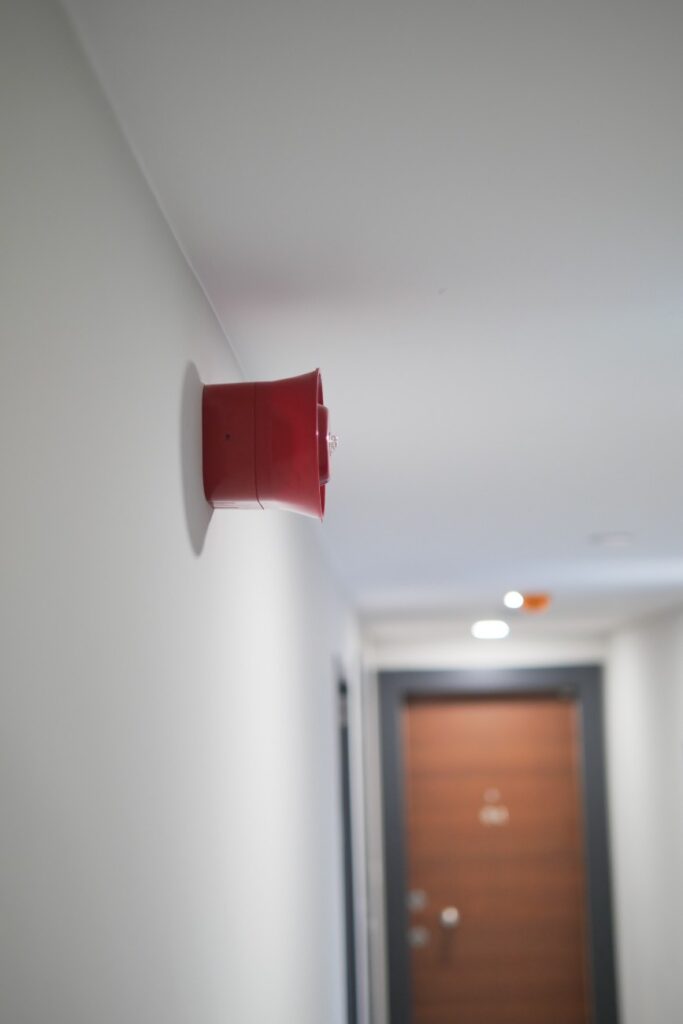
Network Drops provides commercial fire alarm installation services for businesses that need reliable detection, notification, and monitoring throughout their facilities. Our team can support new installations, system upgrades, testing, and related fire alarm infrastructure based on the requirements of your building.
Plan and install a fire alarm system around your facility layout, occupancy, detection requirements, and applicable building and fire protection codes. Our team coordinates with contractors and other trades when required to complete the installation properly.
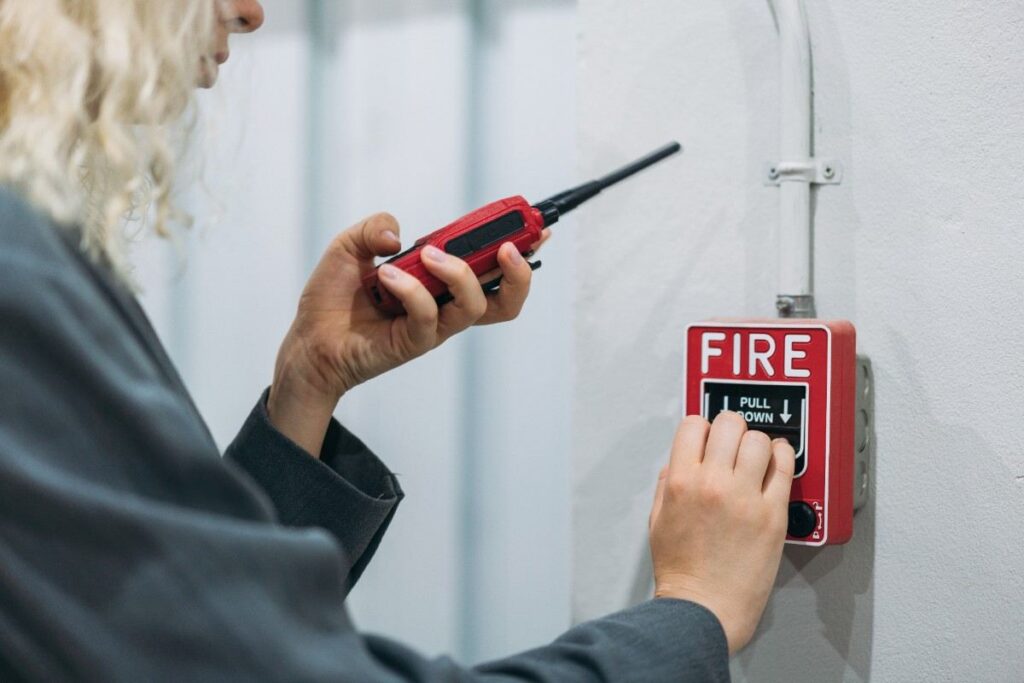
Install manual fire alarm devices such as pull stations and call points at designated locations so building occupants can activate an alarm during an emergency.
Support automatic detection systems that identify signs of fire without requiring manual activation. The appropriate combination of detection and notification devices depends on the facility and its fire protection requirements.
Install smoke detectors as part of an automatic fire alarm system to identify smoke and provide an early indication of a potential fire. Detector selection and placement are based on the application and conditions within the facility.
Install heat detectors for areas where temperature changes provide an appropriate method of fire detection. Options can include fixed-temperature and rate-of-rise detection depending on the application.
Add CO detection where carbon monoxide monitoring is required or appropriate for the facility. These devices detect elevated levels of carbon monoxide and communicate with the fire alarm system to provide notification.
Connect sprinkler system monitoring components to the fire alarm system to supervise conditions such as water flow and valve position. This helps provide notification when a monitored sprinkler condition occurs.
Integrate fire alarm monitoring with HVAC equipment where required by applicable codes or the building's fire protection design. This can help coordinate fire alarm signals with mechanical systems during an emergency.
Support fire alarm connections for elevator recall functions where required. The fire alarm system can communicate with elevator controls to initiate the appropriate recall sequence during a fire alarm condition.
Test fire alarm components, connections, notification devices, and monitoring functions to verify that the installed system operates as intended. Routine maintenance can also help identify issues before they affect system performance.
Different commercial environments have different fire detection and notification requirements. Network Drops provides fire alarm installation and related services for facilities where reliable emergency notification and properly coordinated fire protection systems are essential.
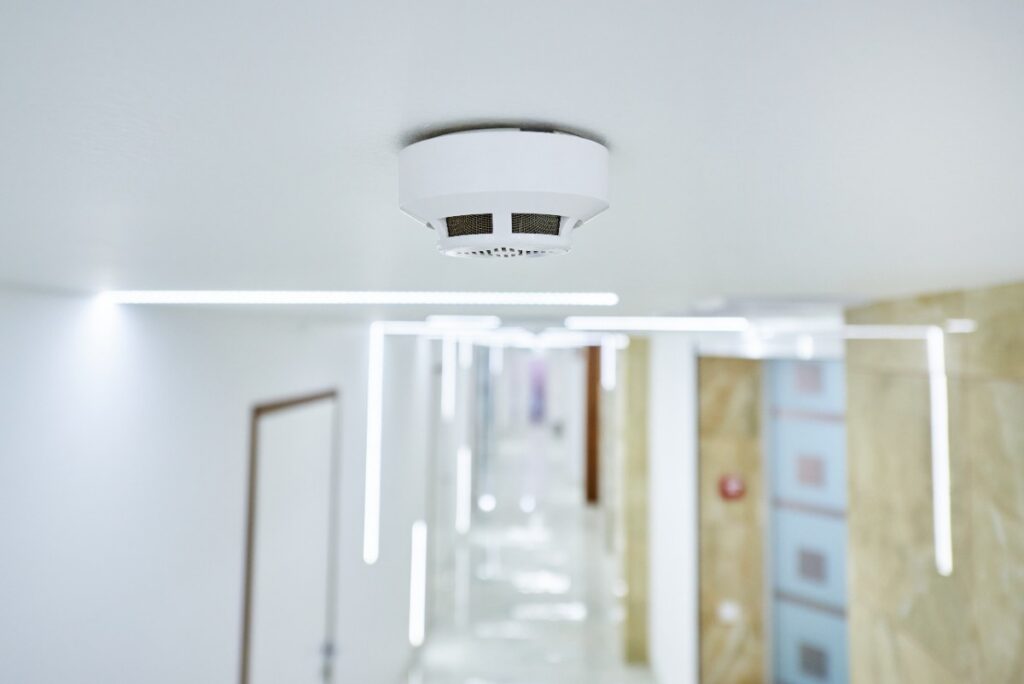
Office buildings, commercial complexes, warehouses, and other business facilities rely on fire alarm systems to detect potential fires and provide timely notification to occupants.
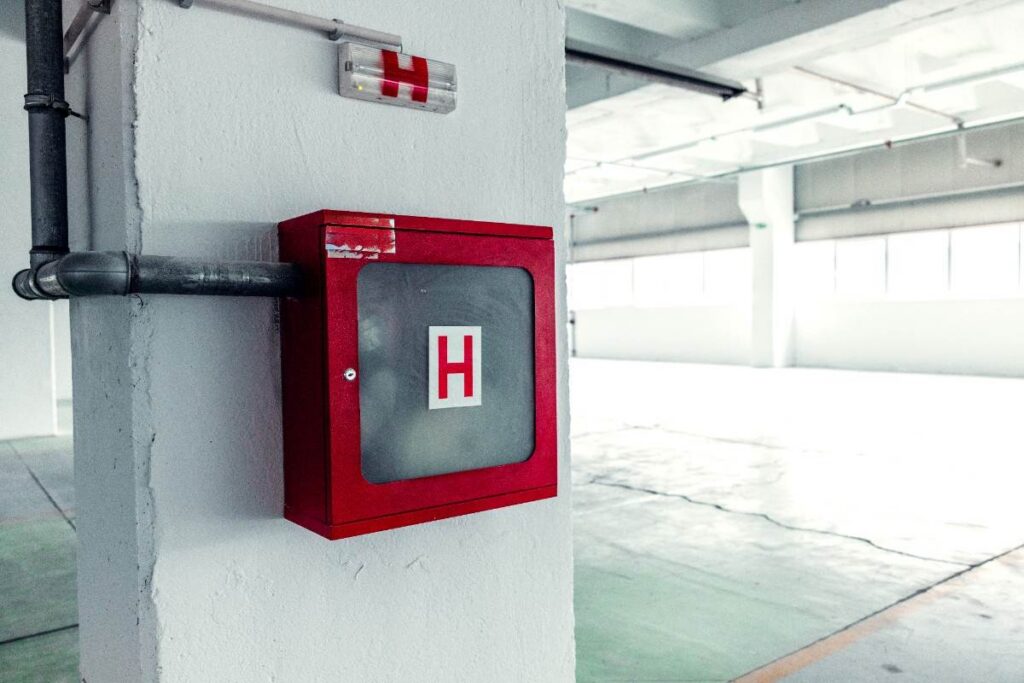
Hospitals, clinics, and healthcare centers require dependable fire detection and notification to help protect patients, staff, visitors, medical equipment, and critical areas.
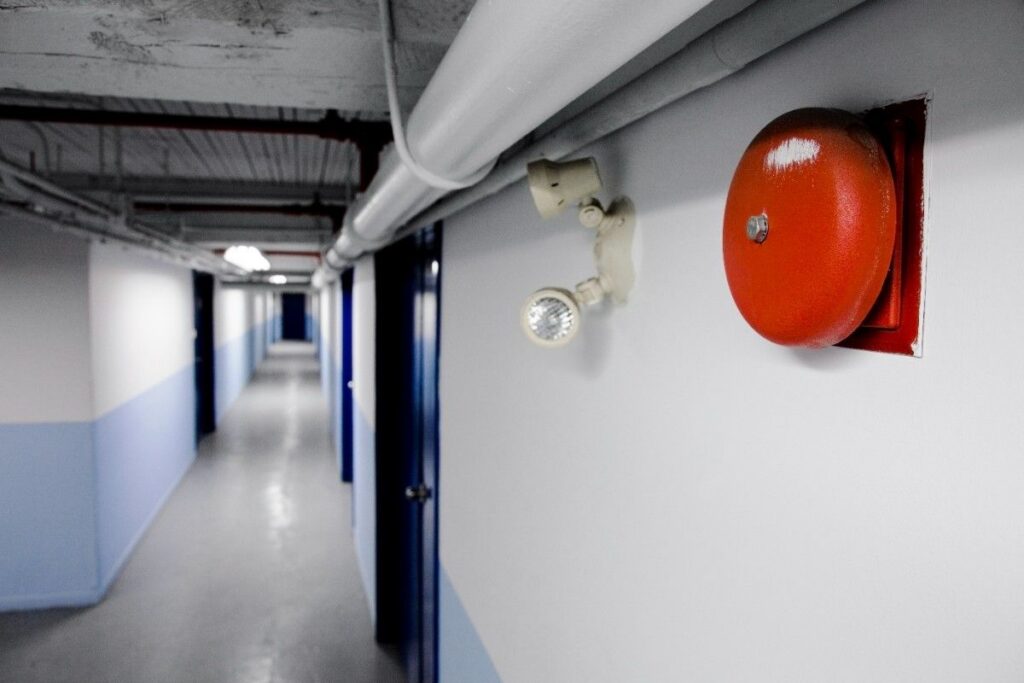
Schools, colleges, and universities use commercial fire alarm systems to support the safety of students, faculty, staff, and visitors across classrooms, laboratories, administrative areas, and other campus facilities.
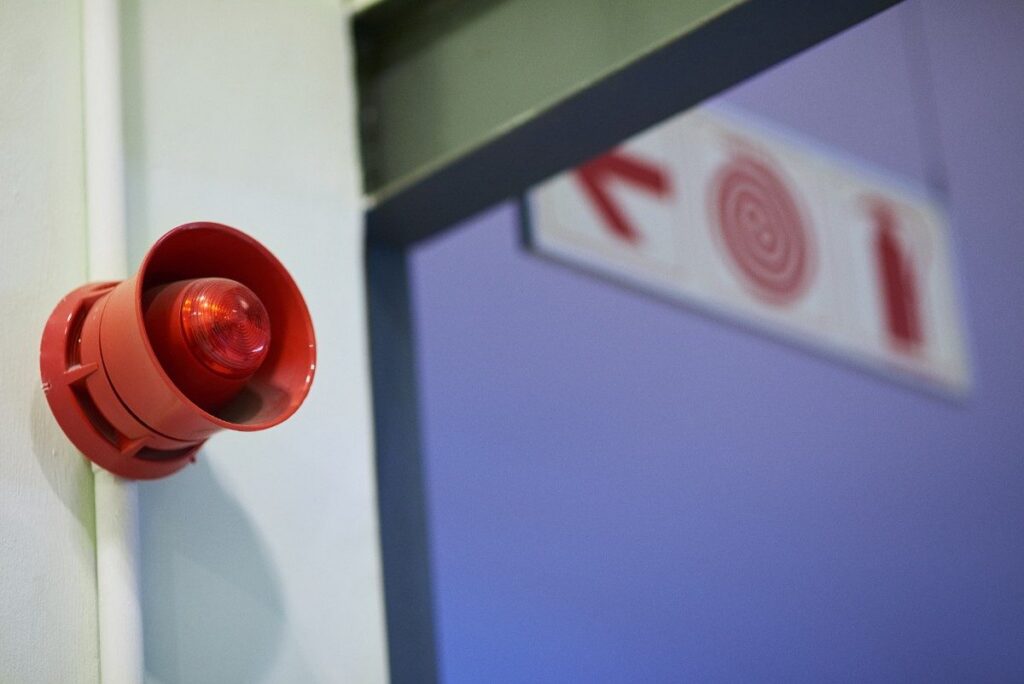
Hotels, resorts, and other hospitality facilities need fire detection and notification systems that account for guest rooms, common areas, kitchens, staff spaces, and other occupied areas.
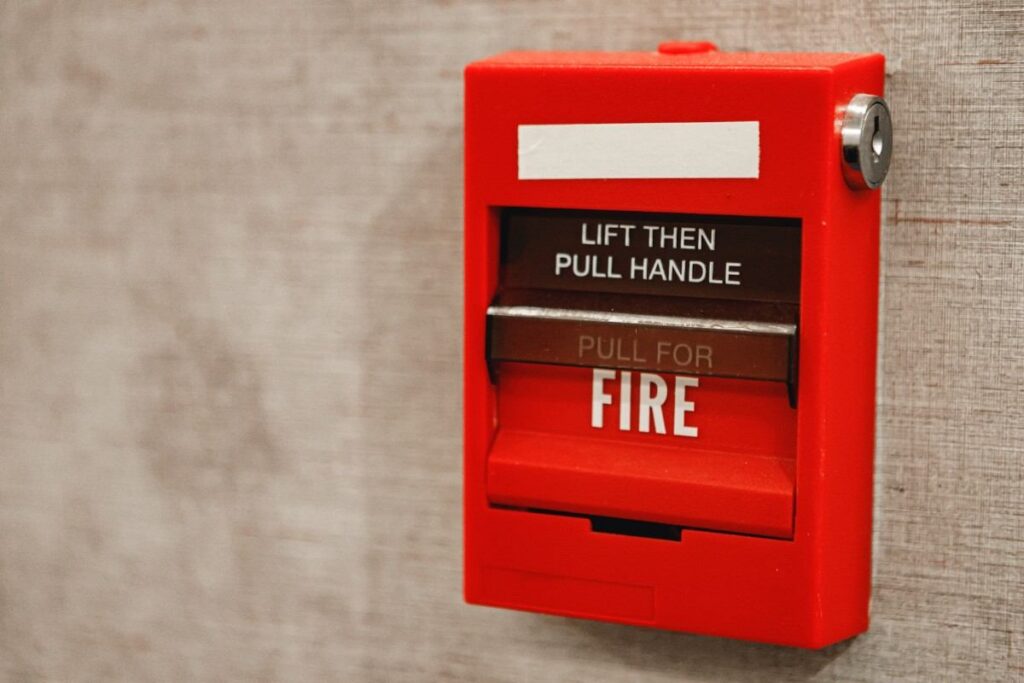
Manufacturing and industrial facilities may have equipment, production areas, storage spaces, and other conditions that require appropriately selected fire detection and notification systems.
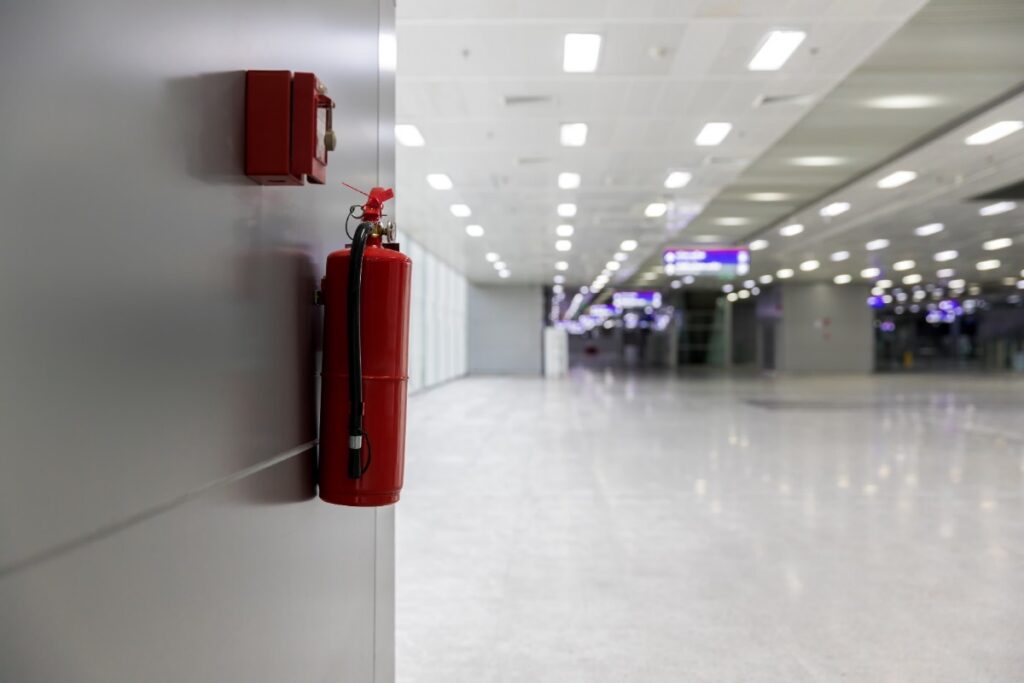
Government offices, courthouses, municipal facilities, and other public buildings require fire alarm systems that support the safety of employees, visitors, and occupants while protecting important facilities and records.
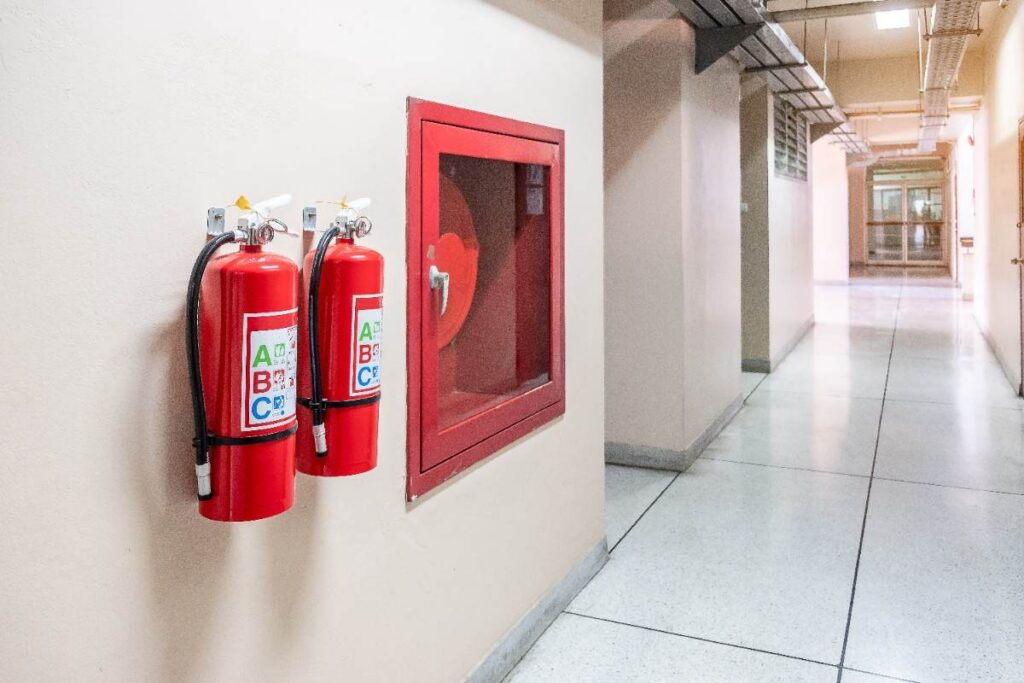
Banks, credit unions, and financial facilities use fire alarm systems to protect employees, customers, equipment, records, and other areas where reliable fire detection is required.
Retail stores, shopping centers, and other commercial retail environments need fire detection and notification systems that account for customers, employees, merchandise, storage areas, and daily operations.
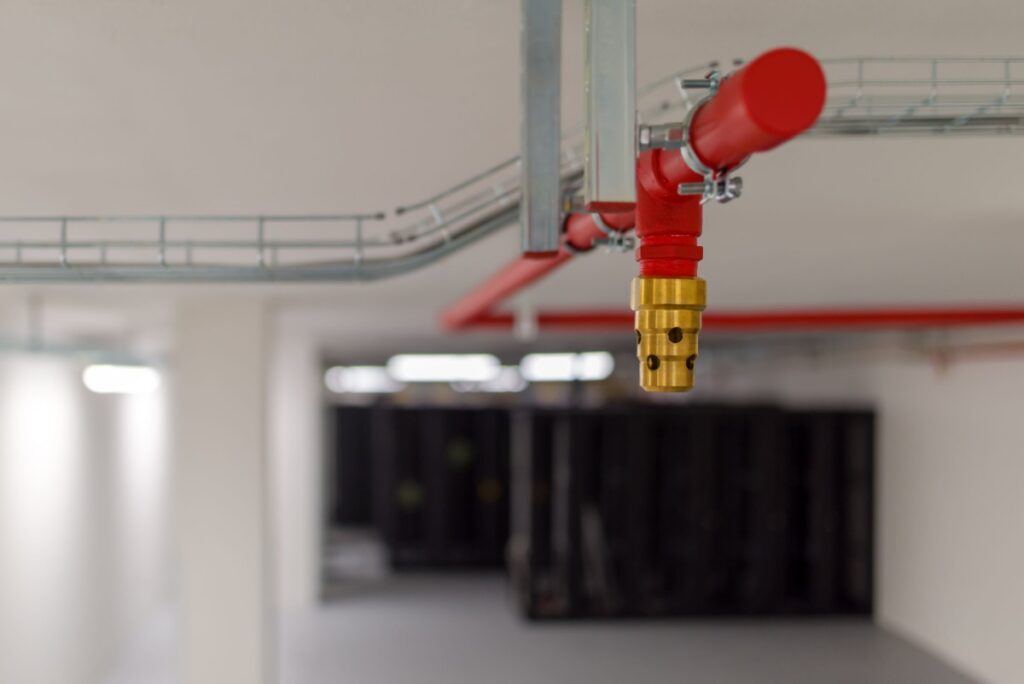
Data centers and IT facilities require carefully planned fire detection systems to help protect servers, network equipment, data, and other critical infrastructure from fire-related damage.
A commercial fire alarm installation system needs to work as part of the facility, not as a standalone installation. Network Drops brings experience in low-voltage infrastructure and commercial installations to help coordinate the system with your building and operational requirements.
Since 1986, Network Drops has worked with commercial facilities on low-voltage and network infrastructure projects. We understand the coordination required when installation work takes place in active business environments.
Our team works with fire alarm panels, detection devices, notification appliances, monitoring connections, and related wiring. This allows us to consider the infrastructure required to support the complete system.
Fire alarm installations often involve electrical, mechanical, construction, and other building systems. We coordinate with contractors and building managers where needed to keep the installation aligned with the overall project.
Installation is only part of the work. We test the system and its connected components after installation to verify that devices, connections, notification functions, and monitoring operate as intended.


Every facility has different conditions, so our installation process starts with understanding the building and the fire alarm requirements before work begins.
We review the building layout, occupancy, existing fire alarm infrastructure, detection areas, notification requirements, and other conditions that can affect the installation.
We determine the appropriate fire alarm components, device locations, wiring, monitoring connections, and system requirements based on the facility and project scope.
Our certified technicians install the fire alarm panel, initiating devices, notification appliances, monitoring connections, and related wiring while coordinating with the existing building infrastructure.
After installation, we test all devices and system functions to ensure proper operation. Regular maintenance helps identify issues and keeps your fire alarm system reliable over time.
A properly installed commercial fire alarm system can help businesses respond to fire threats sooner, protect occupants and property, and meet applicable safety requirements.

We install commercial fire alarm systems designed around your facility and its fire protection requirements. Effective detection can identify heat, smoke, gases, and other warning signs early, giving occupants more time to respond and evacuate.
A monitored fire alarm system can send alerts when a fire condition is detected, helping notify the appropriate responders as quickly as possible. Faster notification can support a quicker emergency response.
Early fire detection can help limit the extent of property damage by providing earlier warning and allowing a faster response. This can help reduce potential repair, equipment, inventory, and operational costs following a fire.
Commercial fire alarm systems must meet applicable fire protection and building requirements. Proper installation, testing, and maintenance can help businesses maintain compliance and reduce potential safety and liability concerns.
With your commercial fire alarm installation, testing, and related infrastructure handled by experienced professionals, you can focus on running your business while maintaining an important part of your facility's fire and life safety system.
Professional commercial fire alarm installation for businesses and commercial facilities across New Jersey and Pennsylvania.
Fire alarm systems for commercial properties across New Jersey.
Fire alarm installation and monitoring for businesses throughout Pennsylvania.
Protect your facility with a commercial fire alarm system planned around your building, fire protection requirements, and operational needs. Network Drops can help with installation, testing, monitoring, and system upgrades.
Get clear answers about your fire alarm requirements, detection devices, monitoring needs, installation, or system upgrades. Our team can review your facility and help determine an appropriate approach for your project.
The cost depends on the size of your facility, number and type of detection devices, notification requirements, monitoring, existing infrastructure, and installation scope. A site assessment can provide a clearer estimate.
Commercial fire alarm systems should be installed by experienced professionals familiar with fire alarm infrastructure, applicable codes, wiring, testing, and system requirements. Network Drops provides commercial fire alarm installation for businesses and facilities.
Installation time varies based on the facility size, system complexity, number of devices, existing infrastructure, and project conditions. Network Drops can provide a more accurate timeframe after reviewing your facility.
Installation can include the fire alarm control panel, smoke and heat detectors, CO detectors, manual pull stations, notification devices, monitoring connections, wiring, testing, and other components required for the system.
Testing frequency depends on the system, facility, and applicable requirements. Regular inspection and testing help identify issues with detectors, alarms, connections, and other components before they affect system operation.
The right system depends on your building layout, occupancy, fire risks, detection requirements, notification coverage, monitoring needs, and applicable codes. A professional assessment can help determine the appropriate system for your facility.
Yes. Depending on the age and condition of the existing system, it may be possible to replace individual components, expand coverage, upgrade the control panel, or modernize other parts of the system.
Monitoring requirements depend on the facility, fire protection system, applicable codes, and building requirements. A monitored system can provide notification of fire alarm conditions to designated monitoring services or responders.