
Summary : Property managers should enhance building networks before new tenants move in, because fast and reliable internet has become a utility like water or electricity. Doing it early causes no interruptions and creates a positive impression on new tenants, reduces complaints, and increases property value. A good network makes tenants happy, encourages them to stay longer, and simplifies property management.
When a new tenant steps into their apartment, what’s the first thing they check?
It’s not the view or the closet space; it’s the Wi-Fi signal.
If that spinning “no connection” icon shows up, their first impression is already off. In 2025, internet access isn’t a perk. It’s a must-have utility, right alongside water and electricity.
For property managers, this shift changes everything. The network infrastructure that runs through your building isn’t just background infrastructure anymore; it’s a core part of the tenant experience.
And upgrading the network before tenants move in? That’s how you turn frustration into loyalty, and transform properties into profit.
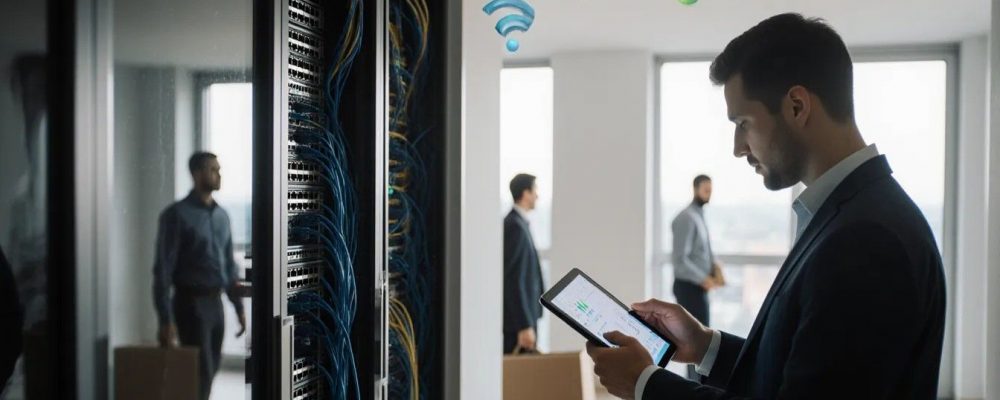
Reliable internet is no longer a luxury, it’s a basic need, just like water or electricity.
Modern renters expect instant, stable Wi-Fi the moment they move in. If they can’t stream, work, or call smoothly, your building drops down their list, fast.
Smart locks, video doorbells, thermostats, and lighting systems aren’t a niche anymore; they’re mainstream. According to Statista data cited by PrimeTarget, there were about 259.9 million smart homes in 2021, and that number is expected to reach over 478 million by the end of 2025. That’s nearly double in just four years, clear evidence that connected living is now standard, not optional.
Every device adds load to your network. Without a solid infrastructure, those “smart” features turn into constant tech headaches for tenants and your team alike.
Remote work isn’t going anywhere. Even years after the pandemic, about 28% of U.S. workdays are still remote. That means fast, reliable internet is non-negotiable. Video calls, uploads, and virtual meetings all depend on your network’s strength, and if tenants can’t rely on it, they’ll look for a place that can deliver.
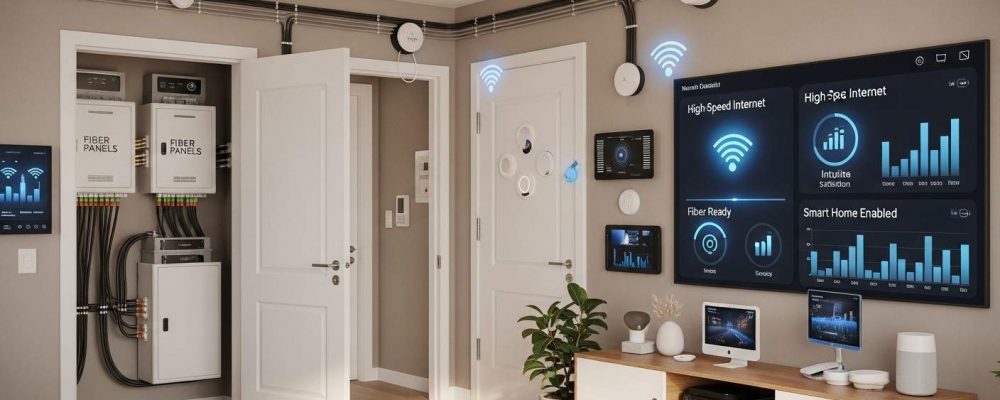
Running new cables or upgrading systems while tenants live there? That’s a guaranteed nightmare. You’ll deal with scheduling conflicts, noise complaints, and temporary downtime.
Doing the work while a unit is vacant means faster installations and fewer headaches. Plus, your team gets time to fully test the system before tenants move in.
Picture a scenario where a new tenant moves in and their router works perfectly immediately. There are no calls, no tickets, and no problems at all. This initial experience signals that your property is modern, well-managed, and worth the rental.
Old network cabling, weak routers, and outdated ports lead to slow speeds and frequent outages. An upgrade at the right time helps identify and correct these issues early, keeping maintenance requests low.
Good internet makes tenants happy. The NMHC survey found that 90% of renters want or will not rent without high-speed internet. It’s now one of the top three must-have features, right after air conditioning and an in-unit washer/dryer.
When the Wi-Fi works well, tenants stay longer, renew leases, and spread the word. It’s as simple as that.
Connectivity improvements don’t just make people happy; they boost revenue. According to Omdia research, the North American digital home market will reach $632 billion by 2028, with smart home services growing fastest at A RATE OF 20% between 2023 and 2028.
The same effect holds true in rentals. Buildings marketed as “fiber-ready” or “high-speed Wi-Fi included” often justify slightly higher rent.
Millennials and Gen Z renters, now the largest rental demographic, expect properties to support their digital lives. They want homes where everything connects instantly, securely, and reliably.
Properties that can’t deliver this will struggle to compete, especially as smart home adoption continues to climb.
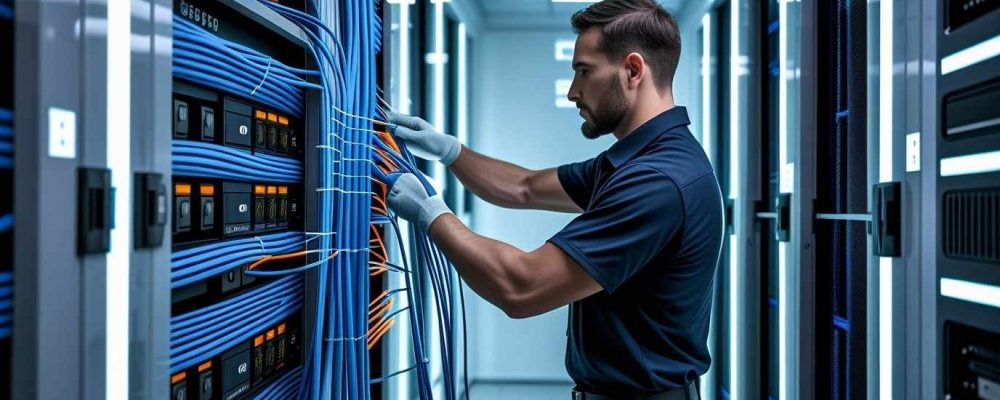
CAT6 is still the most utilized type of cable because it’s fast, dependable, and long-lasting. Many modern properties now pair these setups with Cat6 & CAT6A Cabling to support higher bandwidth needs. In high-density or mixed-use buildings, fiber optic is the solution for exceptionally high data rates and better signal quality than electrical cables, even at longer distances.
While designing the building, it is better to consider not only the current tenants’ needs but also the expectations of tenants five years in the future.
Speed without security is a problem waiting to happen. Managed routers, separate tenant networks, and updated firewalls protect your property’s reputation and your residents’ privacy.
If you’re investing in upgrades, make them visible. Offer managed Wi-Fi, secure guest access, or access control systems. Tenants notice when a property feels modern and connected.
You can’t improve what you don’t measure. Begin with a full audit, map your current structured wiring, identify weak points, and check connection speeds throughout the property.
The goal isn’t just speed; it’s also reliability and coverage.
Licensed network professionals design with growth in mind. They’ll help balance performance, compliance, and cost efficiency. This isn’t about overbuilding, it’s about building smart.
Coordinate upgrades with renovations or tenant turnover periods. This is the easiest time to work and provides room for quality checks before anyone moves in.
Today’s renters are actively looking for “fiber internet” and “move-in ready Wi-Fi” in their listings. Highlight these upgrades in your marketing. It’s not just an amenity, it’s a differentiator.
Zillow reports that tenant turnover can cost property owners up to three months of lost rent. If your tenants leave due to poor connectivity, that’s money gone, fast.
Upgrading your network before they even move in drastically lowers that risk.
When renters know they’ll never have to call customer support or wait for a connection, they’re willing to pay a bit more. Even a small 3–5% rent increase across units can translate into tens of thousands of dollars a year.
Modern cabling reduces downtime and minimizes troubleshooting. It also supports smart systems like leak detectors, thermostats, and lighting; all tools that make managing multiple properties easier.
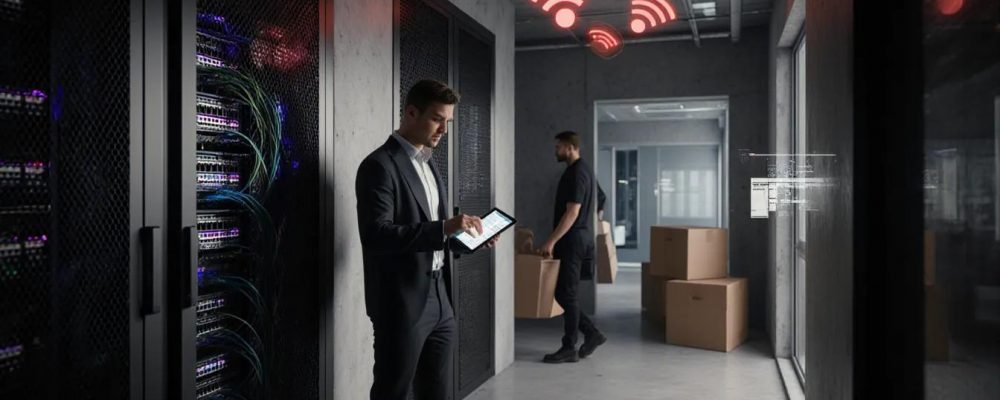
By 2026, IoT adoption will jump again. From refrigerators that order groceries to connected HVAC systems that self-regulate, bandwidth needs are only increasing.
If your network isn’t ready, you will be playing catch-up.
Sustainability is more than just solar panels. Many property owners are moving toward energy-efficient, connected systems that monitor water, lighting, and HVAC.
All of these rely on a stable, high-capacity network backbone.
The younger the tenant, the more digital their lifestyle. A survey by Pew Research found that 97% of adults under 30 own a smartphone, and most control at least one smart device in their home.
Your building’s network is now part of your brand, just like your amenities, landscaping, or curb appeal.
Take a mid-sized property in central New Jersey. The manager noticed frequent tenant complaints about spotty Wi-Fi. Instead of piecing together temporary fixes, they invested in a full CAT6 upgrade across all 40 units.
The result?
That’s the kind of impact a strong, reliable network can have, not only technically, but also financially.

The lifestyle of the tenants has changed entirely. They are not just occupying a house but participating in a fully digital lifestyle. When they find Wi-Fi working as soon as they set up their devices, you gain their trust. When it continues to run without any problems the next day and thereafter, you earn their loyalty.
Getting your network cabling installation upgraded before new tenants move in is not only a wise choice but essential. It reduces interruptions, increases the long-term value, and keeps the tenants connected, comfortable, and content.
In the modern world, a good internet connection is not a mere luxury. It is a necessity, part of daily comfort, security, and peace of mind – an imperceptible structure that facilitates the way people live, work, and relax.
If you are willing to make your property future-ready, let Network Drops create a network as dependable as your reputation. You will be rewarded with tenant satisfaction, and your return on investment (ROI) will increase from that point onward.
Because it’s smoother, cheaper, and faster, you’ll avoid disrupting tenants and ensure everything’s ready before they arrive.
CAT6 works for most residential spaces. Fiber offers much faster speeds and greater stability for larger or high-demand buildings.
Every 5–7 years is a good rule, or sooner if you start seeing slow speeds, lag, or increased complaints.
Absolutely. Tenants stay longer when things “just work.” A stable, fast network reduces frustration and adds convenience.
If your property still uses CAT5e cabling, old switches, or routers from the pre-2020 era, it’s time to upgrade.
"*" indicates required fields

Scott Fcasni is the driving force behind Magna5’s commercial datacomm cabling division, delivering expert solutions that power reliable, high-performance network infrastructures. With extensive experience in structured cabling and a commitment to precision, Scott ensures that every project—whether for small businesses or large enterprises—meets the highest standards of quality and scalability.
