
Summary: Network performance issues usually originate inside the building, not with the service provider. Low voltage audits reveal hidden problems that can slow data, disrupt systems, and increase risk. A structured audit gives New Jersey and Pennsylvania businesses clear infrastructure visibility and helps prevent costly downtime. |

Most businesses blame their internet provider when systems slow down.
But during a professional network audit, the real problem is often behind the walls; loose terminations, overloaded PoE lines, aging CAT5, or cables bundled too tightly.
Low voltage wiring supports your internet, phones, security cameras, Wi-Fi, and access control. When it fails, productivity drops fast.
This guide breaks down the most common low voltage wiring problems found during audits and how businesses in New Jersey and Pennsylvania can prevent them.
Modern offices run on connected systems.
Each new device increases load on your cabling system.
The U.S. Department of Energy reports that standby power and inefficient electrical infrastructure can account for 5–10% of commercial building electricity use.
Poor cabling design contributes to inefficiency, especially in Power over Ethernet (PoE) environments. Low voltage systems are no longer “set it and forget it.” They require inspection and validation.
A low voltage wiring audit is a structured inspection of your network cabling system to verify:
It typically includes:
Most wiring problems are invisible until tested with proper tools.
Before diving into the list, understand this: The network may “work” but that does not mean it is healthy. Audits uncover issues that reduce performance long before total failure occurs.
One of the most frequent findings during audits is poor termination.
Common errors include:
CAT6 cabling can support speeds up to 10 Gbps. But if the termination is sloppy, performance drops sharply.
| Termination Issue | Technical Result | Business Impact |
| Loose connection | Signal instability | Dropped VoIP calls |
| Split pairs | Crosstalk | Slower file transfers |
| Incorrect pinout | Link failure | Network downtime |
| Poor strain relief | Physical damage | Rework costs |
A proper audit identifies these issues using certification tools, not guesswork.
In older buildings, audits often reveal a patchwork of unlabeled cables.
Problems found:
When something fails, IT teams waste hours tracing cables manually. This increases downtime and labor costs.
Structured labeling and documentation prevent this.
Low voltage cables should not share pathways with high voltage power lines unless proper separation standards are followed.
Audit findings often include:
This creates electromagnetic interference (EMI) and safety risks. The National Electrical Code (NEC) outlines separation rules to prevent these hazards. Failure to comply can result in inspection failures and system instability.
Large cable bundles generate heat. Heat increases resistance. Resistance causes voltage drop. This is especially dangerous for PoE systems powering:
| Cable Condition | Risk Level | Potential Outcome |
| Properly spaced | Low | Stable device power |
| Tight bundling | Moderate | Reduced PoE efficiency |
| Long unmanaged runs | High | Device reboot or shutdown |
Proper pathway planning prevents heat-related voltage issues.
Audits frequently uncover non-compliant installations.
Common findings:
Without compliance, cables degrade faster and fail under stress.
Standards exist to protect performance and safety.
Many systems are installed without certification.
If there is no Fluke test report or wiremap validation, there is no proof the system meets performance standards.
Proper testing verifies:
Skipping this step hides problems that surface later as slow networks or dropped calls.
Audits often reveal cables routed near:
These introduce EMI.
Resulting issues include:
Shielded cable and correct pathway planning eliminate most interference.
Older commercial buildings in NJ and PA often still operate on CAT5 or early-generation cabling.
Modern cloud applications require higher throughput and lower latency.
According to the Federal Communications Commission (FCC), broadband performance expectations continue to increase as businesses depend more heavily on data-intensive applications.
Legacy wiring becomes a bottleneck long before internet service does. Upgrading to CAT6, CAT6A, or fiber optic cabling improves scalability and reliability.
Low voltage wiring problems go beyond technical glitches. They directly impact daily operations and long-term costs.
Common business impacts include:
According to the U.S. Department of Energy, inefficient electrical infrastructure can increase commercial energy waste, which adds avoidable operating costs.
Small wiring problems often compound into measurable operational and financial losses over time.
A structured low voltage audit helps identify hidden risks before they cause disruption.
A comprehensive audit typically includes:
This process uncovers weak points early and reduces the risk of unexpected failures.
It also prepares your infrastructure for expansion, upgrades, and increased device demand.
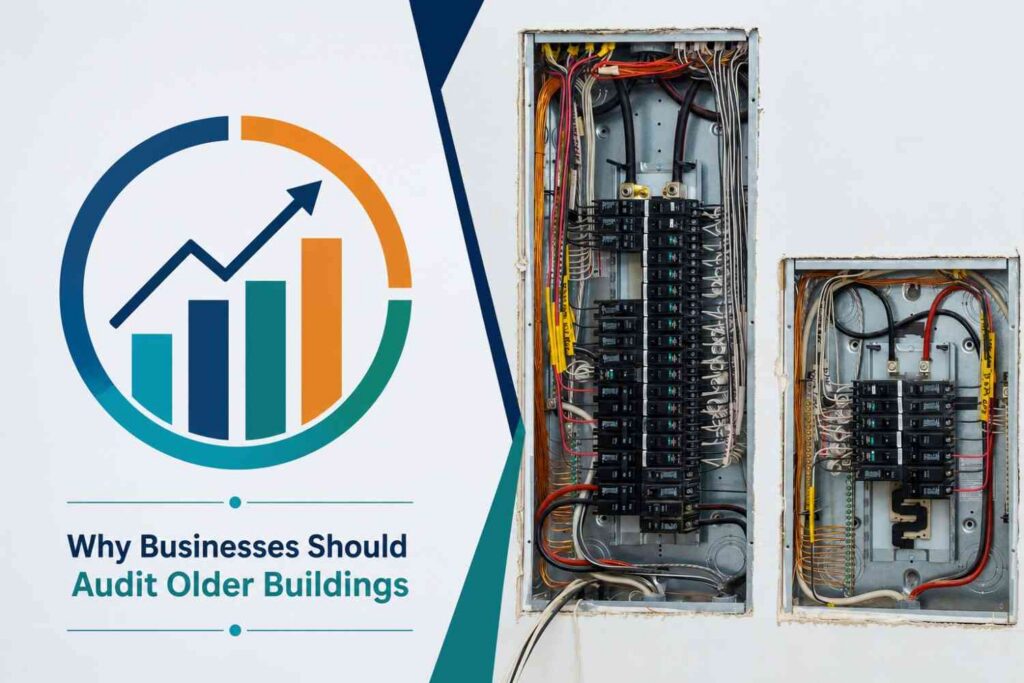
Many commercial properties in NJ and PA were built decades ago.
Renovations often layer new wiring on top of older systems.
Over time, infrastructure becomes:
A professional audit brings clarity before upgrades, expansions, or compliance inspections.
Since 1986, Network Drops, a division of Magna5, has delivered structured cabling and low voltage solutions across New Jersey and Pennsylvania.
Their audit process includes:
From CAT6 and fiber optic systems to low voltage infrastructure and cleanroom installations, Network Drops builds networks designed for long-term performance.
Every system is customized to fit the facility layout and business goals.
Low voltage wiring problems rarely cause immediate failure. They cause gradual performance decline.
If your building has expanded, aged, or experienced recurring network issues, it may be time for a professional low voltage wiring audit.
Schedule a structured cabling audit with Network Drops today and ensure your infrastructure is compliant, efficient, and ready for future growth.
Improper terminations, unlabeled cables, interference from high voltage lines, excessive bundling, and lack of testing documentation.
Every 3–5 years or after major renovations, expansions, or recurring network issues.
Yes. Signal loss, crosstalk, and voltage drop reduce performance even if your internet provider is delivering full bandwidth.
Yes. It can cause interference, safety hazards, and code violations.
If your business relies on high-speed cloud applications or video conferencing, upgrading to CAT6 or fiber improves performance and scalability.

Scott Fcasni is the driving force behind Magna5’s commercial datacomm cabling division, delivering expert solutions that power reliable, high-performance network infrastructures. With extensive experience in structured cabling and a commitment to precision, Scott ensures that every project—whether for small businesses or large enterprises—meets the highest standards of quality and scalability.
