
Summary: Fiber optic networks keep modern businesses connected. But poor installation can cause slow speeds, signal loss, and costly repairs. Common mistakes include hiring inexperienced installers, choosing the cheapest option, skipping testing, and not planning for future growth. |
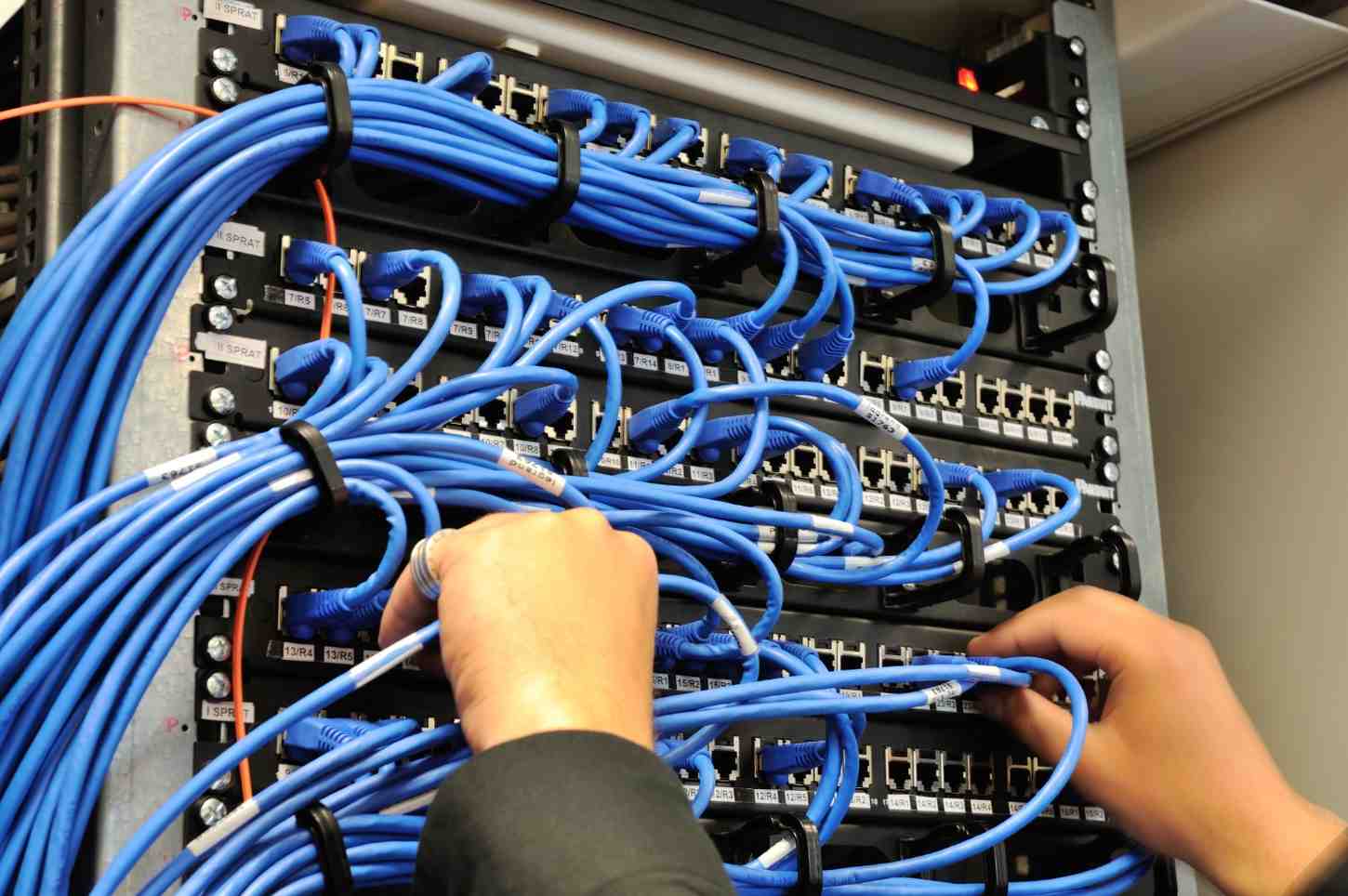
Modern businesses depend on fast, reliable connectivity. Cloud platforms and VoIP systems and security networks and data centers require strong infrastructure to maintain their operations. The systems use fiber optic cabling which provides high-speed data transmission through minimal signal degradation.
Proper installation works as the single factor which directly affects performance results. The presence of even minor issues in selecting a fiber optic contractor will result in signal problems and system downtime and expensive repair costs which will occur in the future.
The U.S. Department of Energy highlights that advanced digital infrastructure is essential for modern smart buildings and connected facilities.
The Federal Communications Commission (FCC) demonstrates that high-speed broadband infrastructure enables both business operations and economic development in contemporary society.
For businesses investing in fiber networks, choosing the right installer is critical. The article presents typical errors which businesses commit when they select their fiber optic contractors, while offering methods which will help them avoid those errors.
Fiber optic cabling transmits data using pulses of light through glass fibers. This technology enables companies to transmit high volumes of data between distant locations with complete reliability. The following benefits demonstrate how fiber cables outperform traditional copper cables:
Businesses rely on fiber networks to support:
Because these systems power daily operations, installation quality becomes extremely important. A poorly installed fiber network can cause performance bottlenecks that affect an entire organization.
Related Reading: How Do Fiber Optic Cables Work?
Not every network technician specializes in fiber optic systems. While some installers have experience with copper Ethernet cabling, fiber networks require different tools, training, and installation techniques.
Fiber optic installation involves several specialized processes, including:
If installers lack experience with these processes, they may unintentionally damage cables or create weak connections.
Common problems caused by inexperienced installers include:
The ability of fiber cables to transmit data through light means that even tiny alignment errors will decrease network performance. This requirement exists because businesses must confirm their installer possesses actual experience in handling commercial fiber optic projects.
All professional network installations need to comply with existing industry standards. The standards established for this purpose protect system security and maintain system reliability while enabling system expansion.
Two widely recognized standards include:
These guidelines define best practices for cable routing, installation methods, and network design.
Ignoring these standards can lead to several problems:
Certified installers understand these requirements and design networks that follow proper infrastructure guidelines from the beginning.
Cost is always a factor when businesses evaluate installation projects. However, selecting a contractor based solely on the lowest price can lead to long-term problems.
Low-cost installers often cut corners by using:
While this may reduce initial costs, the long-term impact can be significant.
Network downtime can interrupt operations, slow employee productivity, and delay customer services. Repairing poorly installed fiber networks often costs more than installing the system correctly from the start.
Installation Factor | Low-Cost Installers | Professional Fiber Contractors |
Installation planning | Minimal planning | Full site survey and network design |
Cable quality | Lower grade materials | Certified commercial-grade components |
Testing procedures | Often skipped | OTDR and signal performance testing |
Standards compliance | Sometimes ignored | Follows industry cabling standards |
Long-term reliability | Higher failure risk | Designed for long-term stability |
Professional installers focus on building networks that will perform reliably for many years.
Fiber optic installation should always begin with careful planning. Unfortunately, some installers skip this step and begin pulling cables immediately.
This often results in poorly designed infrastructure that cannot support future growth.
Proper planning includes:
Without this planning process, businesses may face issues such as:
Before installation begins experienced contractors perform a site survey together with a network design phase. The infrastructure testing procedure verifies that it can handle both existing and upcoming network connectivity requirements.
The main method of testing fiber optic systems requires technicians to check all installed systems. The network functions correctly only when technicians complete testing after cable installation.
Professional installers typically perform several tests to confirm network performance.
Testing Method | Purpose | Why It Matters |
OTDR Testing | Detects faults and signal loss along fiber lines | Identifies hidden installation issues |
Insertion Loss Test | Measures signal strength through the cable | Ensures efficient data transmission |
Continuity Test | Confirms the signal path is intact | Verifies cable integrity |
Return Loss Test | Detects signal reflections | Prevents network instability |
Skipping these tests can leave hidden problems in the network. These issues often appear later as slow connections, unstable signals, or system outages.
Testing verifies that the installation meets required performance standards before the system becomes operational.
Cable management is often overlooked during installation, but it plays a major role in network reliability.
Disorganized cabling can lead to:
Professional installers use structured cable management techniques to keep networks organized.
Common best practices include:
Good cable organization makes maintenance easier and prevents accidental damage during future upgrades.
Many businesses install networks based only on their current needs. However, technology requirements change quickly.
Companies continue adding devices such as:
The current network capacity of today will not satisfy future data needs. Professional installers design fiber infrastructure with scalability in mind. The system enables businesses to grow their network capacity through system expansion without needing to construct new infrastructure.
Organizations that prepare for future growth will save money on upgrades and equipment replacement during their expansion phase.
Related Reading: Types of Fibre Optic Cable: A Comprehensive Guide
Your network’s reliability and scalability will depend on which installer you select.
Look for contractors who:
The skilled contractor considers installation work to be essential to his projects which extend beyond simple cable installation work.
Network Drops which operates under Magna5 has been providing fiber and CAT6 and low-voltage network installation services throughout New Jersey and Pennsylvania since 1986 to assist businesses in constructing dependable and expandable network systems.
Related Reading: Complete Guide on Fiber Optic Color Code – TIA-598-C Explained
Modern business communication systems rely on fiber optic networks as their primary framework which enables all digital communications to proceed through their systems. Network reliability holds critical importance because it supports all operational activities which depend on cloud services and security systems.
The performance of a fiber network depends on the quality of the installation process. The use of untrained workers and the failure to conduct necessary tests as well as the disregard for established infrastructure standards will result in expensive equipment failures and enduring network difficulties.
If you are seeking professional fiber optic installation services in New Jersey or Pennsylvania, partner with Network Drops. We employ experienced installers to create customized network systems that deliver high-speed performance and secure connections and long-term system reliability.
Businesses should choose installers with proven experience in commercial fiber networks, proper certifications, advanced testing equipment, and knowledge of industry standards.
Testing verifies that the network is transmitting data correctly and helps detect signal loss, cable damage, or faulty splices before the system becomes operational.
Installation timelines depend on building size and network complexity. Small offices may take a few days, while large campuses or data centers may require several weeks.
Yes. Fiber optic cables support higher speeds, longer transmission distances, and greater resistance to interference compared to copper cables.
Yes. Many businesses upgrade their infrastructure by installing fiber backbones or hybrid fiber-copper networks to support higher bandwidth and modern applications.

Scott Fcasni is the driving force behind Magna5’s commercial datacomm cabling division, delivering expert solutions that power reliable, high-performance network infrastructures. With extensive experience in structured cabling and a commitment to precision, Scott ensures that every project—whether for small businesses or large enterprises—meets the highest standards of quality and scalability.
