
Summary : Construction delays are caused by the late scheduling of cabling and wiring work. Starting the project with low-voltage contractors leads to faster and easier. Besides, it also reduces mistakes and saves money while keeping everyone connected. Early planning helps prevent inspection issues and supply delays that can slow down or derail projects. This way, work gets completed on time and within budget.
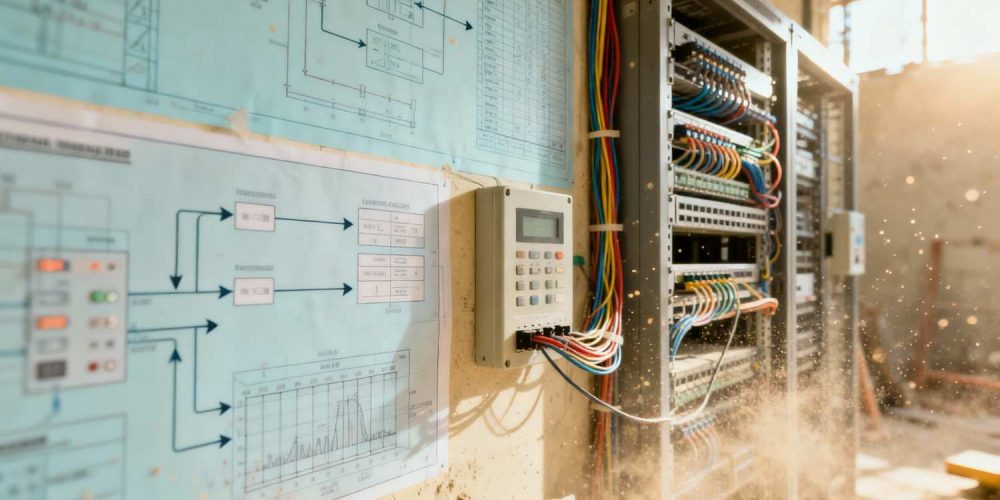
Today’s skyscrapers require the participation of numerous professions like HVAC installers, data cabling technicians and so on, just to name a few. The whole process is delayed if construction teams are expected to handle every task.
With proper early coordination, low-voltage contractors can place their orders in advance for the right materials like CAT6 cable, fiber optics, access control hardware and have them delivered at the right time, thus avoiding any delay in the project.
Systems like network cabling, access control, and security wiring aren’t side jobs; they’re the backbone of a building’s technology. When they’re left as an afterthought, schedules stretch and costs climb
Bringing in a licensed low voltage contractor from day one changes everything. Early involvement maintains workflow, prevents rework, and keeps every trade moving in sync. The result is a smoother, safer and faster project from start to finish.
Delays aren’t rare; they’re practically expected. A recent Autodesk Construction Cloud survey found that 41% of construction firms experience delays due by long lead times for electrical and specialty equipment. Meanwhile, a BDC Network poll reported that 87% of contractors face delays on most projects, often due to poor coordination and late-stage changes.
Electrical and low-voltage work is at the center of this issue. These systems, like data cabling, fiber, Wi-Fi, security, and VoIP, touch nearly every other trade. If they are not coordinated early, the entire build can slow down.
Early coordination means the low-voltage contractor participates from the design or pre-construction phase, not weeks before building occupancy.
Low-voltage contractors are the experts who take care of installation and maintenance of low-voltage systems. These systems include data networks, telephone lines, cameras, alarms, and access control systems. They help ensure equipment rooms, pathways, and power requirements match the building design.
When involved early, these professionals collaborate with architects, engineers, and contractors to resolve design issues and plan proper layouts. They ensure space is reserved for conduit pathways.
At Network Drops, we’ve seen how early collaboration prevents rework, accelerates installations, and creates a cleaner, safer, and more scalable network infrastructure.
Today’s skyscrapers require the participation of numerous professions like HVAC installers, data cabling technicians and so on, just to name a few. The whole process is delayed if construction teams are expected to handle every task.
On the contrary, low-voltage contractors deal with structured cabling, fiber optics, and telecom wiring daily through their specialized skills. Planning and executing their work early helps relieve other trades and allows each group to focus on its own expertise. This results in fewer scheduling overlaps and faster overall progress.
Most project slowdowns result from errors discovered too late.
Early coordination allows specialists to identify design issues such as incorrect conduit sizing or insufficient telecom closet space before installation. Correcting these issues in drawings costs far less than opening finished walls later.
All electrical and low-voltage installations must comply with local regulations and standards such as NEC and BICSI. The late contractor involvement often leads to redoing inspected work that fails compliance
Proper planning will make certain that all the routes, depths, and clearances get done right the first time, saving time and avoiding the extra cost of re-inspections.
This is critical in places like hospitals or clean rooms with strict regulations, where compliance and uninterrupted operations are the top priorities.
It’s taking longer to get electrical and data materials than it used to. The Associated General Contractors of America found that 82% of companies were affected by such delays due to supply chain problems.
Teamwork is the key factor in construction efficiency. Early collaboration brings low-voltage contractors to the BIM (Building Information Modeling) level for mechanical, electrical, and structural teams.
This prevents “trade stacking,” a situation where several crews work simultaneously in the same area and, as a result, productivity decreases by 30%.
The outcome is fewer disputes, easier transitions, and quicker project completion.
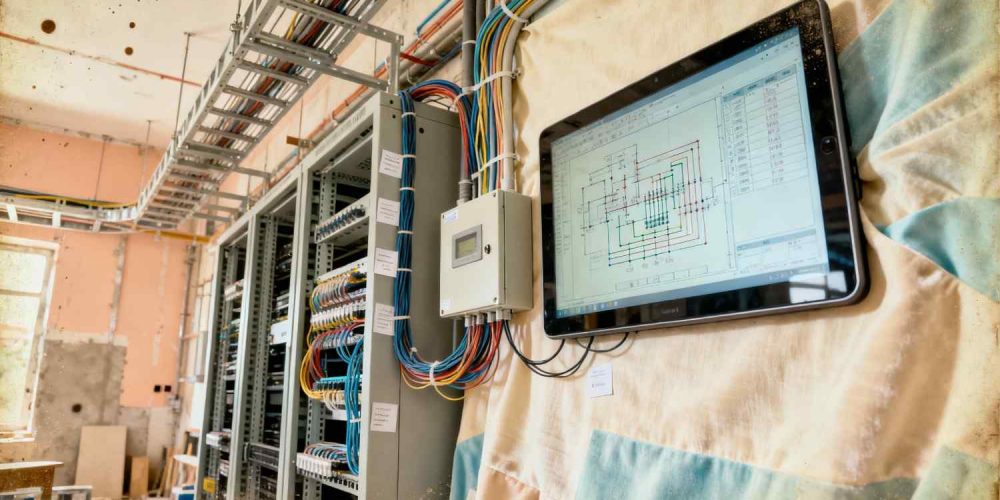
Bring your low-voltage contractor in early, while architects and engineers are still finalizing the plans. They’ll help map out cabling routes, network closets, and where the fiber backbone should go before construction begins.
For example, we often collaborate with GCs and design teams in New Jersey and Pennsylvania to integrate cabling infrastructure into the building model early on.
BIM coordination serves to recognize and rectify several potential conflicts in pipework, wiring, and structures, even prior to their installation. Using a digital model lets teams spot and fix issues virtually, saving weeks that would’ve been lost to rework.
Set up a shared project timeline that includes milestones for all low-voltage work. Hold weekly meetings with all trades to adjust schedules and prevent surprises along the way. Consistent communication is the key to finishing on time.
These steps help projects move faster, with fewer interruptions and smoother hand-offs between trades.
Real savings come from every hour conserved on site. Rework can lower profit margins significantly over the course of a year. When skilled low-voltage teams are involved from the start, costly mistakes can be avoided.
For owners this results in fewer change orders. For contractors it preserves schedules and strengthens client trust. The outcome is a more reliable and efficient built environment.

Construction delays create unnecessary cost and pressure and are often preventable. Early involvement of low-voltage contractors keeps design, materials, compliance, and scheduling aligned from the start.
Network Drops has supported New Jersey and Pennsylvania businesses for more than 40 years, installing structured cabling and low-voltage systems that meet performance standards, stay on schedule, and remain within budget.
Do you want your next project to be on time?
Book a complimentary on-site evaluation with our certified low-voltage crew right now.
A low-voltage contractor installs and maintains systems under 50 volts, such as data, security, and communication cabling.
Ideally, they can coordinate routing, materials, and scheduling with other trades during the design or pre-construction stage.
Yes. Planning cabling early helps avoid trade conflicts, inspection issues, and material shortages that often cause downtime.
Even a 10% boost in labor efficiency can reduce total project costs by more than 3%, according to Fieldwire.
Our licensed team provides complete network cabling solutions, from design and material selection to installation and testing.
With proper early coordination, low-voltage contractors can place their orders in advance for the right materials like CAT6 cable, fiber optic, access control hardware and have them delivered at the right time, thus avoiding any delay in the project.

Scott Fcasni is the driving force behind Magna5’s commercial datacomm cabling division, delivering expert solutions that power reliable, high-performance network infrastructures. With extensive experience in structured cabling and a commitment to precision, Scott ensures that every project—whether for small businesses or large enterprises—meets the highest standards of quality and scalability.
